The Pacific Ocean just became the most famous parking lot in the solar system. On April 10, 2026, at 5:07 p.m. PDT, NASA’s Orion spacecraft—aptly named Integrity—hit the water off the coast of San Diego, ending a 10-day mission that officially dragged humanity out of its half-century-long slumber in low Earth orbit.
If you think this was just another "touchdown" for the history books, you're missing the point. This wasn't a PR stunt. It was a 694,481-mile stress test that proved we haven't forgotten how to survive in the deep dark.
The Record That Finally Fell
For 56 years, the crew of Apollo 13 held the title for the farthest distance humans had ever traveled from Earth. They didn't want that record; they got it because an oxygen tank exploded and forced them into a wider-than-planned loop around the moon.
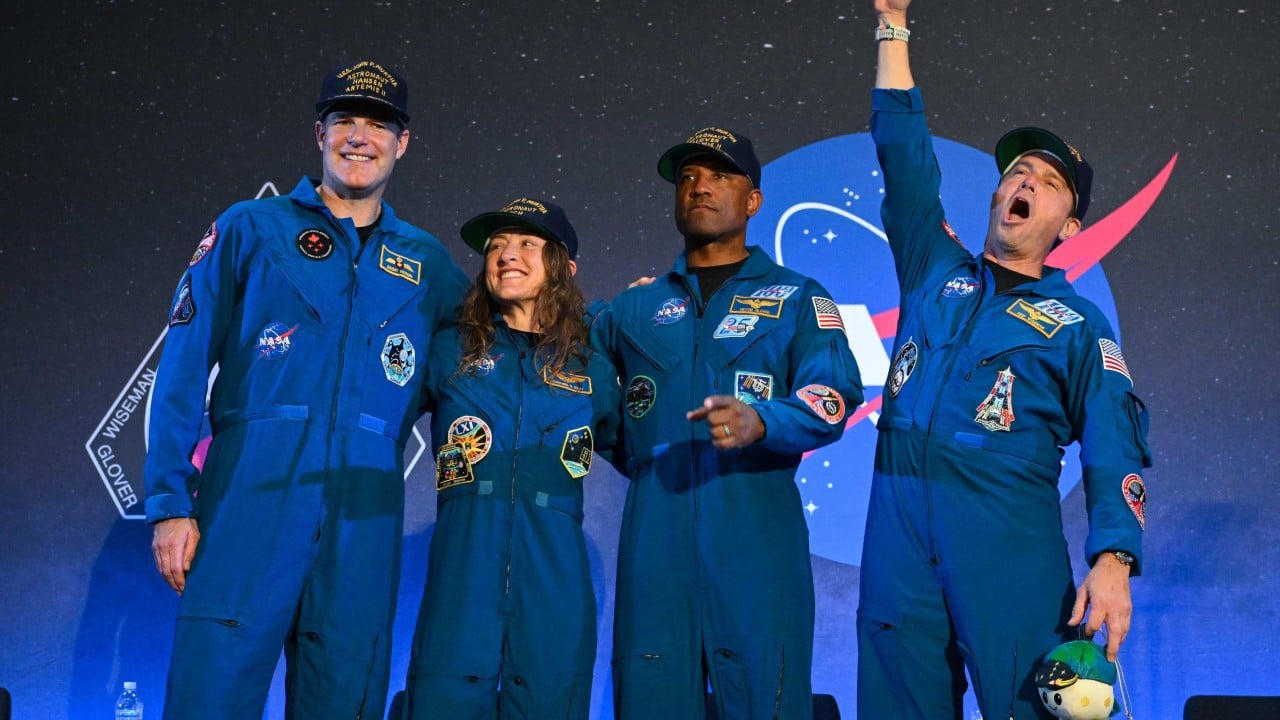
On April 6, 2026, the Artemis II crew—Commander Reid Wiseman, Pilot Victor Glover, and Mission Specialists Christina Koch and Jeremy Hansen—smashed it. They reached a maximum distance of 252,756 miles from home. That’s roughly 4,000 miles further than any human has ever dared to go.
But distance is a vanity metric. What actually matters is who was in those seats. We finally broke the "White Male Only" club of deep space. Victor Glover became the first person of color to leave Earth’s immediate orbit. Christina Koch became the first woman. Jeremy Hansen, representing the Canadian Space Agency, became the first non-American.
Honestly, it’s about time. If we’re going to build a permanent presence on the moon, the people going there should actually look like the planet they’re leaving behind.
Surviving the 5000 Degree Wall
Coming home is the hardest part. You aren't just "falling" back to Earth; you're slamming into a brick wall of atmosphere at 25,000 mph (roughly 32 times the speed of sound).
Orion’s heat shield had to eat 5,000°F of friction. To put that in perspective, that’s hot enough to melt solid rock. NASA was sweating this part because the uncrewed Artemis I mission in 2022 showed some weird charring patterns on the shield. They tweaked the entry angle—making it steeper and more direct—to manage the heat.
The "blackout" period lasted about six minutes. That’s six minutes where the ionized plasma around the capsule blocks all radio signals. It’s the longest six minutes in engineering. When Reid Wiseman’s voice finally cracked through the static with "Houston, Integrity. We have you loud and clear," the energy in Mission Control didn't just shift—it exploded.
Beyond the Photo Ops
While the world was looking at the gorgeous "Earthrise" photos, the crew was busy doing the "boring" stuff that keeps people alive. They spent their 10 days testing the Life Support Systems (LSS) in a way you just can't do in a lab.
They weren't just passengers. They were testers for:
- Optical Navigation: Using stars and lunar landmarks to navigate if GPS or ground comms fail.
- Radiation Monitoring: Measuring the heavy hits from the Van Allen belts and deep space cosmic rays.
- Waste Management: Yes, the space toilet. If it breaks on the moon, the mission is over. It worked.
They even managed to witness a total solar eclipse from behind the moon. Imagine watching the moon’s shadow crawl across the Earth while you’re standing on the other side of the lunar far side. That’s the kind of perspective that makes "emotional homecoming" feel like an understatement.
What Happens Tomorrow
The crew is currently on the USS John P. Murtha, undergoing medical checks. Their bodies have to relearn how to handle gravity. They’re wearing "orthostatic intolerant garments"—essentially high-tech Spanx—to keep their blood from pooling in their legs and making them faint.
If you're wondering what's next, stop looking at 2026. Look at 2027 and 2028. Artemis II was the "shakedown cruise." Because Integrity didn't fall apart and the crew didn't cook on reentry, NASA now has the green light for the big one.
The next mission, Artemis III, is currently targeted for 2027. That one won't just loop the moon; it’ll involve docking with a SpaceX Starship in lunar orbit. Then, in 2028, we finally put boots back on the dust.
The "Emotional Homecoming" isn't the end of the story. It’s the validation of the hardware. We have the rocket (SLS), we have the capsule (Orion), and we now have a crew that knows exactly how it feels to see the Earth shrink into a tiny blue marble.
Next steps for space nerds:
- Watch the post-flight press conference for the "unfiltered" stories about the cabin noise and the food.
- Track the refurbishing of the Integrity capsule—NASA plans to reuse parts of this avionics suite for future flights.
- Keep an eye on the Starship HLS (Human Landing System) tests in Texas. That’s the missing piece for the 2028 landing.
We're done practicing. It's time to stay.