European automotive giants are sweating. They should be. For years, the major players in Wolfsburg, Paris, and Turin viewed the influx of Chinese electric vehicles as a minor irritation—a wave of cheap, tech-heavy imports that consumers might buy if they were on a tight budget. That assumption was wrong. It was arrogant, and it’s now hitting them where it hurts.
Chinese brands are no longer content with just shipping cars across the ocean. They are putting down roots. We are seeing a shift from "Made in China" to "Made in Europe" by Chinese capital. This isn't just about avoiding tariffs. It is a calculated move to secure supply chains, earn consumer trust, and eventually dominate the local market from the inside out.
The Strategy Behind The New Manufacturing Push
The primary driver here is the European Union’s attempt to shield its own industry. When Brussels slapped extra tariffs on Chinese EVs, they hoped to slow down the invasion. Instead, they accelerated a different, more permanent process. If you can't ship them in cheaply, you build them here.
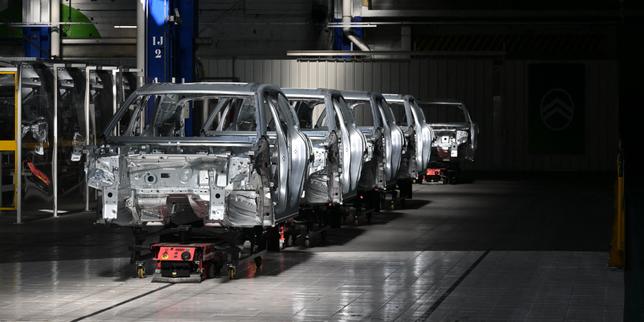
Building in Europe offers three distinct advantages that most analysts miss. First, it kills the tariff argument instantly. If a car rolls off a line in Hungary or Spain, it is a European product. Second, it bypasses the logistical nightmare of maritime shipping, which has become increasingly volatile. Third, and perhaps most importantly, it wins over the nationalist vote. When a Chinese brand hires local engineers, local factory workers, and local suppliers, the "foreign intruder" narrative falls apart.
Look at the deals happening right now. BYD is pouring capital into a massive facility in Hungary. They aren't doing this for the scenery. They are positioning themselves to serve the entire European Union with a logistics footprint that keeps costs tight and delivery times short. This is not a hobby project. It is the foundation for long-term market dominance.
Why The Legacy Brands Are Struggling To Compete
You have to look at the cost structures to understand why VW and Stellantis are in trouble. Legacy manufacturers are burdened by massive historical debt, bloated management structures, and a slow, cautious approach to software integration. They spent decades perfecting the internal combustion engine. Now, the battle is fought on software, battery efficiency, and manufacturing speed.
Chinese companies started with a clean slate. They treat a car like a smartphone on wheels. When you sit in a high-end Chinese EV, the interface feels snappy and intuitive. In many European models, the infotainment system still feels like it was designed in 2012 by a committee. It’s clunky, confusing, and frustrating.
European carmakers are trapped by their own history. They have to manage a transition from combustion to electric while keeping their old, inefficient factories running. Chinese companies are effectively skipping the "transition" phase. They are diving straight into the electric future with aggressive, high-speed manufacturing techniques that European plants struggle to match. They don't have to worry about cannibalizing their own gas-car sales. They just go.
The Partnership Model Versus The Lone Wolf
Not every Chinese company is trying to buy a plot of land and start from zero. The partnership model is perhaps the most dangerous trend for European incumbents. Consider the Stellantis and Leapmotor deal. Instead of competing head-on in every segment, they created a joint venture. Leapmotor gets the manufacturing capacity and distribution network of Stellantis in Europe. Stellantis gets a cheaper, tech-forward electric vehicle line to bolster their sagging entry-level offerings.
It sounds like a win-win, but it’s a gamble for the Europeans. You are inviting the wolf into the house. By letting these Chinese brands use your factories and your dealer networks, you are helping them learn exactly what the European consumer wants. You are training your future executioner.
Chery’s acquisition of the former Nissan plant in Barcelona is another fascinating data point. They didn't just build a factory; they acquired an existing ecosystem of skilled labor and infrastructure. This is the "smart" way to enter a market. You don't have to hire thousands of people and navigate local labor laws from scratch. You inherit a workforce that knows how to build cars, and you simply change the badge on the hood.
The Cultural And Operational Clash
It’s not all smooth sailing. Setting up shop in Europe involves navigating some of the most rigid labor regulations on the planet. European unions are powerful, protective, and accustomed to a very specific set of work-life expectations.
In China, the "996" work culture—9 am to 9 pm, six days a week—is often the baseline for rapid industrial progress. That will not fly in Germany or France. If Chinese firms try to impose their home-country management styles, they will face strikes, lawsuits, and talent drain. I have seen companies fail because they assumed the local labor market would simply adapt to their "hustle." It doesn't work like that.
Successful Chinese firms will need to learn the art of European compromise. They need to integrate into the social fabric. This means accepting shorter work weeks, higher wages, and strong environmental regulations. If they can figure out the balance—keeping their manufacturing efficiency while respecting the European social contract—they will be unstoppable. If they remain rigid, they will bleed talent and face endless regulatory hurdles.
What This Means For The Average Car Buyer
If you are currently looking for a new vehicle, the arrival of these factories should actually be good news for you. Competition forces prices down. When you have BYD, Chery, and MG manufacturing locally, the days of inflated EV pricing are numbered.
The biggest fear for a buyer shouldn't be "is the car made by a Chinese company?" It should be "is there a dealer network to fix it?"
When you buy a brand that has been established for fifty years, you know where to go when the sensor fails or the battery needs service. Many of these newer Chinese brands are still building their support infrastructure. They might have a great car, but if you have to drive three hours to find a qualified technician, that initial savings on the sticker price disappears quickly.
Before you jump on a new model, check the support map. Look for a brand that has committed to a long-term service network. Don't just look at the tech specs. A car is only as good as the service behind it.
The Reality Of The European Market
We are witnessing the final days of the protected European automotive era. The gate is open, and the competition is already inside the walls. The "Made in Europe" label is changing its meaning. It is no longer a synonym for tradition or luxury. It is becoming a badge for assembly location, regardless of who owns the capital behind the factory.
European leaders are trying to figure out how to respond. They are caught between needing the investment—these factories create thousands of jobs—and fearing the long-term erosion of their industrial base. They are trying to have it both ways. They want the jobs, but they don't want the market share shift.
You can't have both.
If you are watching this space, ignore the political rhetoric about "protecting our industry." The market is moving faster than the bureaucrats. The capital is flowing, the factories are being retrofitted, and the logistics chains are shifting. The real test will be in the next five years. Will these brands become integrated, successful European companies that happen to have Chinese origins? Or will they remain temporary visitors that eventually leave when the market conditions change?
The smart money is on integration. They are here to stay.
If you're in the market for a new vehicle, wait a year or two. Let the current round of factory setups stabilize. See which brands actually follow through on their service network promises. Don't be the early adopter who finds themselves with a sophisticated, high-tech paperweight because the manufacturer pulled out or couldn't find enough local technicians.
Watch the factory announcements closely. The location of the plant tells you everything about their commitment level. A dedicated facility means they are building a future. A rebadging deal means they are testing the waters. Spend your money accordingly. The automotive map is being redrawn, and for once, the consumer has the leverage to sit back and watch the fight for their wallet happen in real-time.