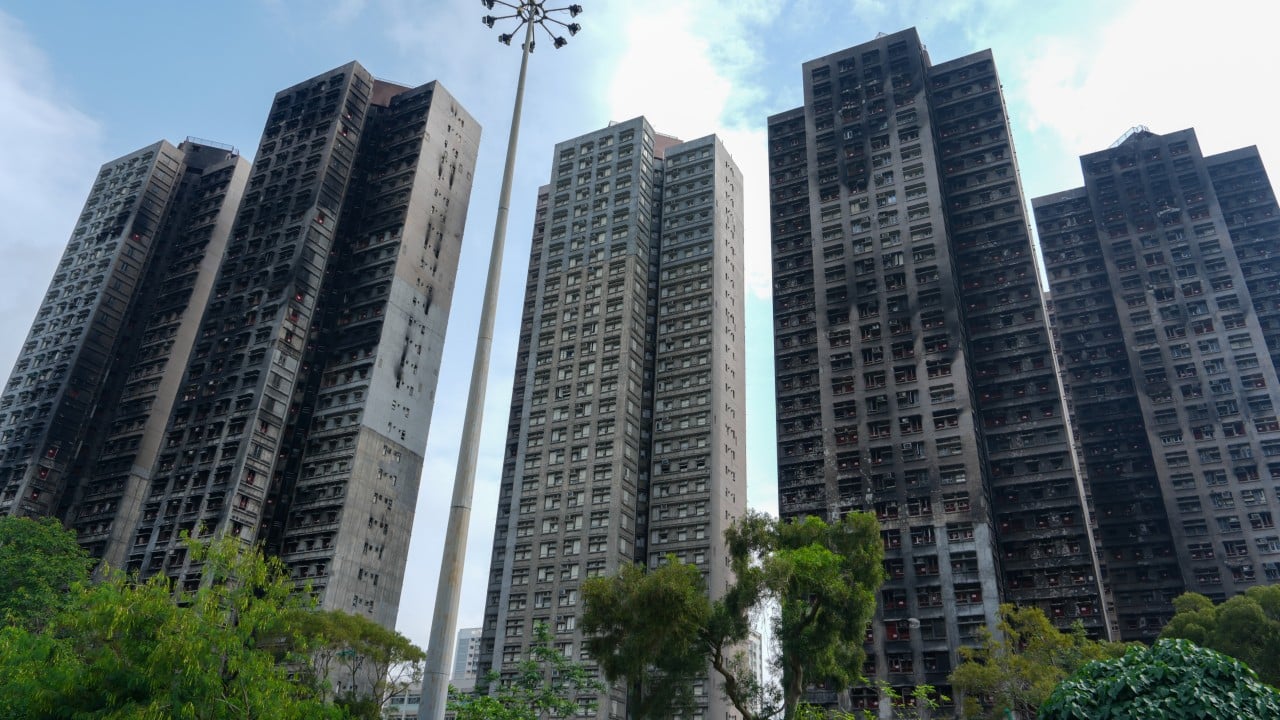
The recent Tai Po estate blaze has triggered the predictable, knee-jerk chorus from Hong Kong politicians and law enforcement: criminalise bid-rigging now. It sounds resolute. It sounds tough on crime.
It is also completely wrong.
The prevailing narrative insists that inserting specific criminal sanctions into the Competition Ordinance will miraculously fix the systemic rot in residential building refurbishment. This is a dangerous fantasy. Criminalisation will not stop the cartels; it will simply smoke out the independent, law-abiding contractors, leaving flat owners at the mercy of even more sophisticated syndicates.
We are diagnosing a complex economic and regulatory failure as a simple policing problem. If you think jail time for anti-competitive behavior is the silver bullet, you do not understand how Hong Kong’s property ecosystem actually functions.
The Illusion of the Police Solution
When a fire rips through an aging residential block, public anger demands a scapegoat. The Competition Commission and police point to bid-rigging as the root cause of delayed maintenance and inflated costs. The logic seems straightforward: scare the cartels with prison cells, and market prices will stabilize.
That logic fails under real-world scrutiny.
Bid-rigging in Hong Kong’s building management sector is already illegal under the Competition Ordinance (Cap. 619) as a First Conduct Rule violation. While the current framework primarily levies pecuniary penalties rather than immediate jail sentences for the antitrust breach itself, related actions frequently cross into bribery and fraud—offences that already carry heavy prison terms under the Prevention of Bribery Ordinance (Cap. 201).
I have watched estate committees navigate these waters for two decades. The threat of prison hasn't stopped the Independent Commission Against Corruption (ICAC) from arresting dozens of property management executives and contractors in massive sweeps year after year.
Adding another layer of criminal law does not increase deterrence when the underlying structurally flawed market guarantees massive payouts for those willing to break the rules. Instead, criminalisation raises the legal stakes so high that honest, mid-sized contractors will refuse to bid on public-facing residential tenders. The compliance costs and legal risks of an accidental communication with a competitor will outweigh the thin margins of a legitimate job. You won't eliminate the cartel; you will just eliminate their clean competition.
The Real Culprit is Mandatory Procurement Rules
The Competition Commission loves to lecture flat owners on vigilance. "Get more bids," they say. "Check the market rate," they advise.
This advice ignores the operational reality of the Building Management Ordinance (Cap. 344).
Under current regulations, legally mandated thresholds force Incorporated Owners (IOs) to open massive refurbishment projects to public tender. On paper, it ensures transparency. In reality, it creates a predictable, structured playground for cartels.
Imagine a scenario where an estate must spend $50 million HKD on structural repairs. The law requires a specific tendering process. Cartels do not fear this process; they own it. They employ a strategy known as "cover bidding." A single syndicate operates ten different front companies. They submit ten different bids, all meticulously calculated to make the pre-selected "winner" look like the reasonable, mid-tier option.
When the government forces untrained, volunteer flat owners on an IO committee to judge these bids, the owners rely entirely on third-party consultants. This is where the system completely breaks down.
The consultants—the very architects and surveyors hired to protect the owners—are frequently the architects of the scam itself. They undervalue the initial cost estimates to get the project approved by the residents, then approve endless "variation orders" once the scaffolding is up and the building is hostage. Criminalising bid-rigging does nothing to stop a corrupt consultant from legally tweaking a tender's technical specifications so that only one specific contractor can qualify. It is legal exclusion, executed with a pen, and no police force can prove it is a crime without a paper trail that seasoned syndicates never leave.
Why the Operation Bright Building Subsidies Backfire
The government’s response to aging infrastructure is always the same: throw money at it. Programs like Operation Bright Building provide billions in subsidies to help old blocks complete mandatory inspections and repairs.
What happens when you inject billions of unearned dollars into a highly distorted market with restricted supply? You supercharge the cartels.
Subsidies do not lower the cost for flat owners; they create a guaranteed floor price for contractors. The moment a building qualifies for a government subsidy, the bids mysteriously rise by the exact value of that subsidy. The taxpayers are directly funding the profit margins of the very syndicates the police claim they want to dismantle.
If we want to stop price gouging, we must stop subsidizing the current inefficient procurement model.
The Actionable Alternative: Institutionalise Independent Project Management
If criminal penalties worked as a standalone deterrent, the drug trade wouldn't exist. To fix building maintenance, we must shift from a punitive model to a structural one.
First, strip individual IOs of the power to manage massive capital works projects independently. Expecting a retired schoolteacher or a local shop owner to spot a sophisticated bid-rigging scheme on a 400-page engineering blueprint is absurd.
The Urban Renewal Authority (URA) already runs the "Smart Tender" scheme, which offers independent electronic tendering platforms to reduce the risk of manipulation. This needs to become mandatory, not optional, for any project over a certain financial threshold.
Second, we must introduce mandatory professional indemnity insurance for the engineering and architectural consultants who sign off on these tenders. If a consultant approves a project estimate that deviates by more than 20% from true market value without ironclad justification, their insurance premiums should skyrocket, or they should lose their license. Hit the gatekeepers in their wallets, and the cartel ecosystem collapses.
Admittedly, this approach has a downside. It will slow down the commencement of crucial safety repairs. It introduces bureaucratic friction. It treats the symptoms of structural decay with strict regulatory oversight rather than the fast PR win of a police raid.
But it works.
Stop asking the police to solve an economic design flaw. Criminalisation is a lazy political exit strategy that allows officials to look tough while changing absolutely nothing on the ground. Address the procurement vulnerability, remove the amateur decision-makers from the equation, and the cartels will starve for lack of opportunity.