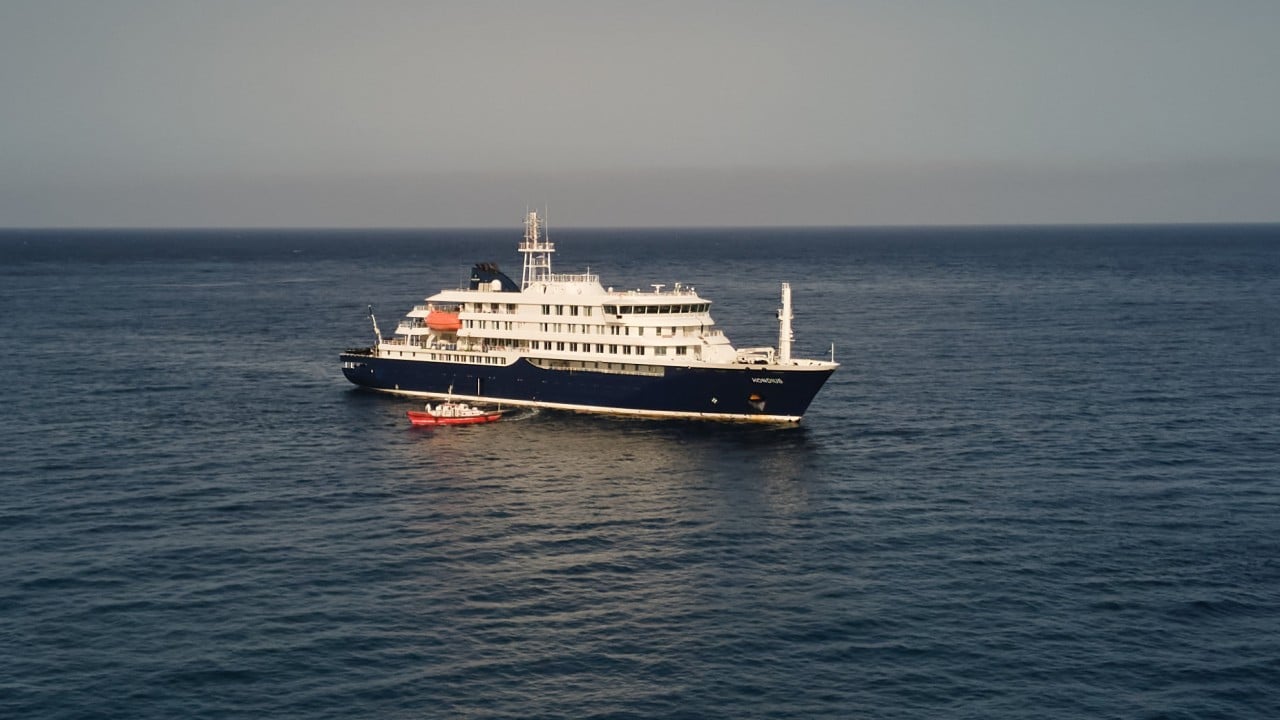
You’re thousands of miles from the nearest hospital. You’re in the middle of the ocean. Suddenly, someone falls ill with a dangerous pathogen. The captain makes the announcement. The mood on the ship shifts instantly from vacation bliss to high-stakes anxiety.
It happens more often than the brochures suggest. When news broke that three more people were evacuated from a cruise ship due to a suspected hantavirus infection, the headlines grabbed attention for all the wrong reasons. It sounds like the start of a disaster movie. The reality is far more clinical, expensive, and logistically exhausting.
People often assume that if something goes wrong on a ship, the crew simply radios for help and a helicopter arrives. That’s partially true. But the machinery behind that operation involves international maritime law, specialized coast guard protocols, and the reality of how infectious diseases move through a closed ecosystem.
The Reality of Medical Evacuations at Sea
When you’re at sea, you don't just call 911. A medical evacuation, or medevac, is a massive undertaking. It’s not a routine service. It’s a last resort for when the ship’s onboard medical facility is completely overwhelmed or incapable of treating the specific condition.
Most cruise ships are floating cities with their own clinics. They have doctors, nurses, and enough equipment to handle cardiac events, minor surgery, and common infections. But they aren't hospitals. They are triage centers.
If a doctor decides a patient needs a level of care beyond their capacity, the ship’s master (the captain) gets involved. They have to weigh the safety of the entire vessel against the needs of the individual. This is where it gets messy. Does the ship divert to the nearest port? Or does it maintain its course while a Coast Guard or private search-and-rescue team meets them?
Weather plays a huge role. If the sea is rough, you aren't getting off that boat by helicopter. You’re riding it out until the conditions improve or you reach a port. This is the part that never makes it into the glossy travel brochures. You are essentially trapped by the environment.
Understanding the Hantavirus Concern
Hantavirus is a terrifying word in the medical community. It’s not your average cold or flu. It’s a rodent-borne illness. You usually catch it by breathing in aerosolized particles from infected rodent droppings or urine. It causes severe respiratory distress.
Why would it appear on a cruise ship? That’s the question everyone ignores. Cruise ships are incredibly clean, but they are still structures that take on provisions from ports all over the world. A hitchhiking rodent is a nightmare scenario for any cruise line.
If a few passengers are suddenly showing symptoms of a severe respiratory illness, the medical team on board has to act fast. They aren't just treating the patient; they are trying to stop a spread. They have to trace every person that patient came in contact with. They have to sanitize entire sections of the ship.
It’s important to realize that diagnosing something like hantavirus at sea is exceptionally difficult. The symptoms mimic other respiratory ailments. The decision to evacuate isn't just about saving the person; it’s about public health protocol. By getting those three people off the ship, the cruise line is trying to isolate the threat and get those patients to a facility that can actually perform the necessary lab work and intensive care.
How Cruise Ships Handle Outbreaks
You might wonder why you don't hear about these incidents more often. The cruise industry has strict reporting requirements. In the United States, ships calling on U.S. ports must report gastrointestinal illness rates to the Centers for Disease Control and Prevention (CDC) if they cross a certain threshold.
But respiratory illnesses are different. They don't always trigger the same immediate public reporting requirements as norovirus. This creates a weird gap in how information reaches the public. When an evacuation happens, it’s a visible, high-profile signal that something has gone wrong behind the scenes.
The Triage Protocol
When a ship deals with a potential infectious outbreak, the process is rigid:
- Isolation: The sick individuals are moved to dedicated isolation cabins. These cabins have specific ventilation controls to prevent air from recirculating into the rest of the ship.
- Contact Tracing: The medical team interviews the patients to find out where they’ve been, who they’ve touched, and what they’ve eaten. This is the hardest part. Passengers aren't always cooperative when they’re worried about their vacation being ruined.
- Sanitization: Cleaning crews go into overdrive. They use high-grade disinfectants on high-touch surfaces. If it’s something like hantavirus, they’re looking for evidence of pests, which triggers a massive inspection of the ship’s storage and waste areas.
- Reporting: The captain communicates with the Coast Guard and the CDC to coordinate an evacuation if the medical staff cannot stabilize the patients.
What You Should Know Before You Sail
You can’t control whether a ship has a medical emergency, but you can control how prepared you are. Most travelers treat a cruise like a standard hotel stay. It isn't. It’s an adventure in a remote, enclosed environment.
First, check your travel insurance. Does it cover emergency medical evacuation? Most standard plans have a limit, and those limits can be blown through in a single flight. You need a policy with a high "Medevac" or "Emergency Evacuation" clause. Don't cheap out on this. If you have to be flown off a ship in the middle of the Atlantic, the bill can easily reach tens of thousands of dollars.
Second, be honest with the medical staff. If you’re feeling sick, don't hide it to keep your vacation going. You aren't just endangering yourself. You are potentially putting thousands of other people and the crew at risk. The ship’s medical center has a duty to report, and they will take your symptoms seriously.
Third, pack a small personal medical kit. Bring enough prescription medication for your entire trip, plus an extra week. Don't rely on the ship’s pharmacy for your daily maintenance drugs. They carry basics, but they aren't a full-service CVS.
The Reality of Risk
We live in a world where we expect instant safety. We want to believe that if we step onto a giant, luxury vessel, we are shielded from the dangers of the real world. That’s a false sense of security. Cruise ships are massive engineering feats, but they are subject to the same biological realities as any other human population density.
When you see a news story about an evacuation, don't just see the drama. See the logistics. See the sheer difficulty of trying to provide modern medicine in the middle of the ocean. The crew on those ships is trained to handle crises, but they are fighting against the isolation of the sea every single day.
If you’re worried about catching something, focus on the basics. Wash your hands. Don't ignore symptoms. Choose a reputable cruise line that follows strict sanitation guidelines. And if you are still anxious, maybe think about a land-based vacation. But if you do choose to sail, just know that the protocol is there for a reason, and those evacuations are the last line of defense in a very complicated system.
Don't wait for an emergency to learn about your ship’s medical capabilities. Check the cruise line’s website for their medical policy before you book. Know what they offer, what they don't, and what you’re responsible for. That’s how you actually travel safely. Stay informed, get the right insurance, and keep your expectations realistic. The ocean is beautiful, but it doesn't care about your plans.