You’re three days into a ten-day Caribbean escape when the announcement crackles over the PA system. The voice is too calm. That’s your first red flag. Within an hour, the buffet is closed, the theater is dark, and you’re being escorted back to your room. This is the start of cruise ship virus purgatory. It’s a surreal, high-stakes version of "stay at home" where the home is a 200-square-foot box floating in the middle of the ocean.
Most people think of cruise ship outbreaks as distant news headlines. But for the passengers who lived through the Diamond Princess or the more recent waves of Norovirus and respiratory clusters, it’s a visceral memory of bleach smells and cold french fries. I’ve talked to travelers who spent weeks staring at the same patch of waves. They don’t talk about the fear of the virus as much as they talk about the crushing weight of the boredom.
The Instant Shift From Luxury To Lockdown
One minute you’re sipping a spicy margarita by the Lido deck pool. The next, you’re listening to the deadbolt click from the outside. That’s the reality when a ship goes into Red Level status. The transition isn't gradual. It's a total flip of the script.
Security guards suddenly appear in every hallway. They aren't there to point you toward the bingo hall anymore. They're there to make sure nobody opens their door except to grab a meal tray. Passengers often describe the sudden silence of the ship as the most unsettling part. A vessel designed for 4,000 people becomes a ghost ship. You stop hearing the thrum of the bass from the nightclub. You just hear the air conditioning hum and the occasional cough from the cabin next door.
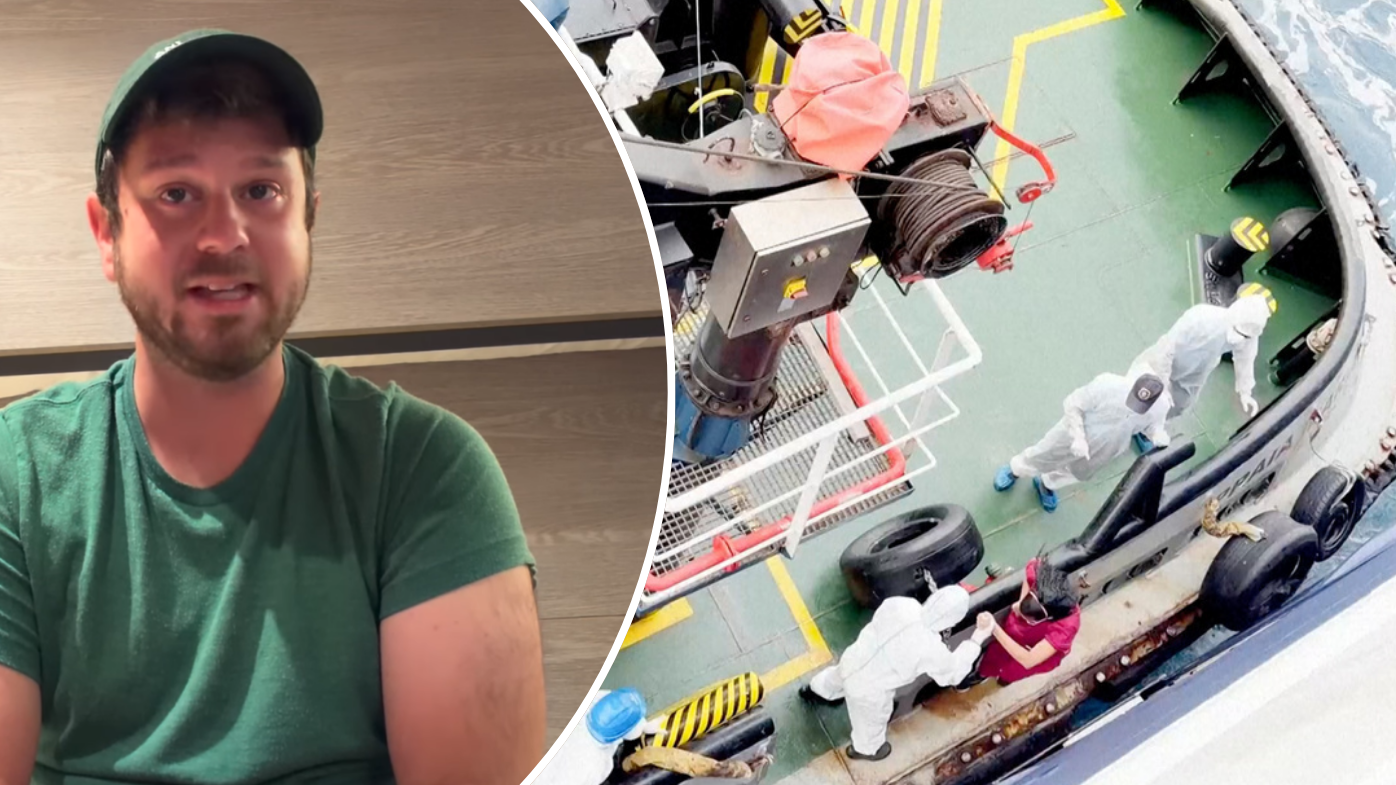
The staff changes too. The friendly waiter who knew your name is now wearing a full Tyvek suit and a face shield. They don't make eye contact. They drop a plastic container on a stool outside your door, knock, and vanish. It’s dehumanizing. It’s efficient.
Why The Cabin Choice Suddenly Determines Your Sanity
I’ve always told people that booking an interior cabin is a great way to save money. I was wrong. If you’re stuck in virus purgatory, an interior cabin is a sensory deprivation chamber. You lose all sense of time. Is it 10:00 AM or 10:00 PM? Without a window, your circadian rhythm breaks within 48 hours.
Passengers in balcony suites have a completely different trauma than those in "steerage." If you have a balcony, you can at least smell the salt air. You can see the horizon. You can feel the sun. On ships like the Grand Princess, the balcony became a lifeline. People would lean over the railings to shout conversations at neighbors they’d never met. It was the only social interaction left.
If you're stuck in an inside room, you're staring at a TV screen that loops the ship's safety videos or a bridge cam that looks like static at night. It’s enough to make anyone snap. One passenger recounted that they started naming the different patterns in the carpet just to keep their brain occupied.
The Mystery Meat And Cold Coffee Reality
Let’s talk about the food. You aren't getting the Main Dining Room experience anymore. When a ship is in lockdown, the kitchen is usually running on a skeleton crew because half the galley staff is often sick or quarantined too.
The meals arrive in cardboard boxes. It’s a lot of starch. Think cold rolls, lukewarm pasta, and apples that have seen better days. Special dietary requirements? Good luck. If you’re gluten-free or vegan, your options dwindle to basically nothing.
The psychological impact of the food is huge. On a cruise, food is the primary form of entertainment. When that’s replaced by a soggy sandwich delivered at 3:00 PM because the delivery schedule is overwhelmed, the morale on the ship hits rock bottom. Some passengers started "smuggling" snacks from their suitcases like they were in a POW camp. If you didn't pack a box of granola bars, you're at the mercy of the tray.
Digital Lifelines And The Bandwidth Wars
Internet on cruise ships is notoriously spotty and expensive. In a quarantine, it becomes a basic human right. During the major outbreaks of the early 2020s, some lines eventually gave out free Wi-Fi to trapped guests. It was the only thing preventing a mutiny.
People spent their days refreshing news sites to find out where the ship was going, because the captain often didn't have the answers. Port after port would refuse entry. You'd see the lights of a city on the horizon, hope would surge, and then the ship would turn back toward the open sea.
Social media became a battlefield. Passengers used Twitter and TikTok to show the world their "purgatory." They filmed the moldy bread or the lack of medical check-ups. This forced the cruise lines to act. Without that digital pressure, the conditions inside those cabins would likely have been much worse.
Medical Care In The Middle Of Nowhere
Ship infirmaries are designed for stiches, seasickness, and the occasional heart attack. They aren't built to handle a mass casualty event or a ship-wide epidemic.
If you get sick during the lockdown, you realize how thin the safety net is. Doctors are overwhelmed. They might check your oxygen levels once a day if you're lucky. Most of the time, they just tell you to take Tylenol and stay hydrated. There is a terrifying realization that if your condition worsens, there is no ICU down the hall. You're waiting for a helicopter medevac that might never come if the weather is bad or the local government refuses to let you land.
What To Do If You Get Stuck
Nobody plans for this. But if you’re stepping onto a ship in 2026, you have to assume there’s a non-zero chance of a lockdown. It’s not about being paranoid. It’s about being prepared.
Pack a "quarantine kit" in your carry-on. This isn't just about meds. Pack an extra-long charging cable because the outlets in ship cabins are always in the most inconvenient spots. Bring a streaming stick (Roku or Fire) because ship TV is garbage. Pack a stash of high-protein snacks. Most importantly, bring a physical book or two. If the Wi-Fi dies, you'll need something that doesn't require a battery.
Check your travel insurance policy before you leave the dock. Most standard policies don't cover "boredom in a cabin." They cover medical emergencies or trip cancellations. You want a policy that includes "trip interruption" coverage specifically mentioning quarantine. If the cruise line offers you a 120% credit for a future cruise, think twice. After ten days in virus purgatory, you might never want to see the ocean again. Demand the cash.
The "luxury" of cruising is a thin veneer. It relies on a delicate balance of logistics and health. When that balance tips, you aren't a guest anymore. You're a liability. Treat your next booking with that reality in mind. Choose the balcony. Pack the snacks. Stay sharp.