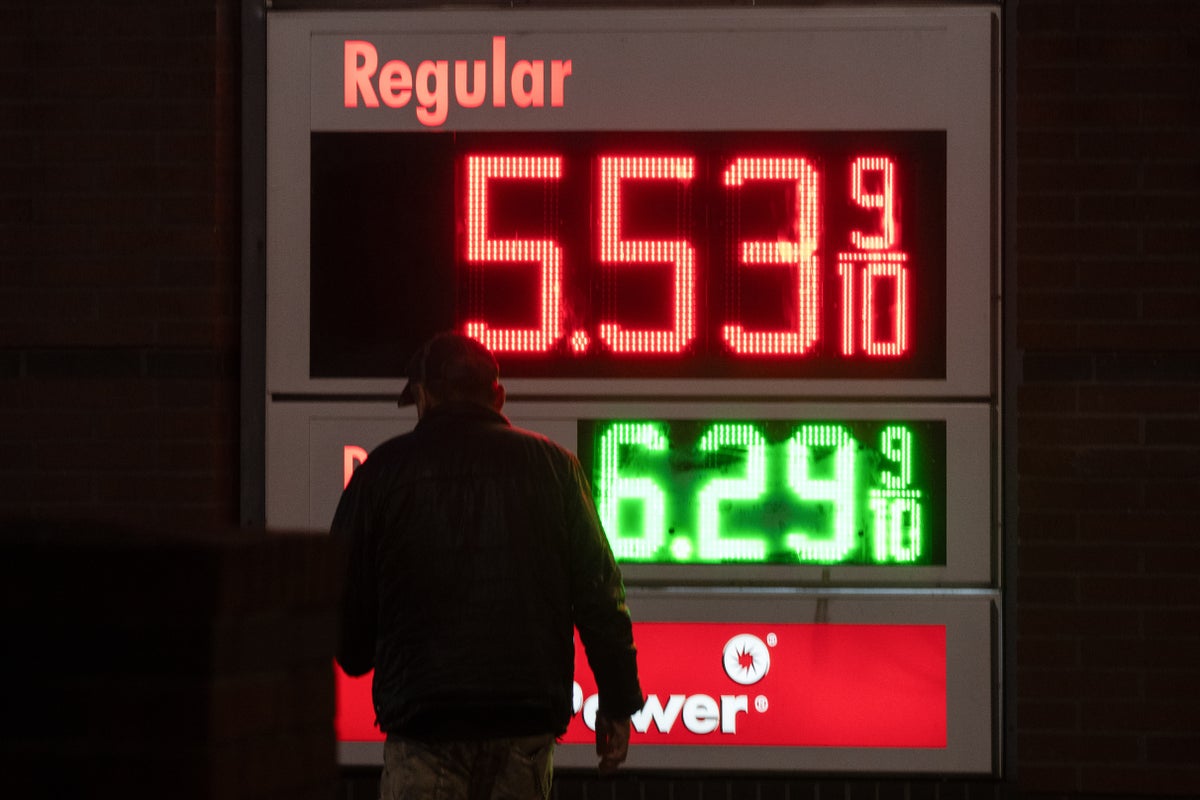
The brass nozzle feels colder than usual when you grip it on a Tuesday morning. It is a mundane, rhythmic action—the click of the trigger, the scent of vapor, the numbers dancing on the liquid crystal display. But lately, those numbers have begun to move with a frantic, jittery energy. They are no longer just measuring fuel; they are measuring a mounting anxiety that stretches from your local station all the way to the narrow, dark waters of the Strait of Hormuz.
JP Morgan analysts recently dropped a stone into the quiet pond of the global economy. They warned that $5 per gallon is no longer a distant, "what-if" nightmare. It is a looming reality. While the reports are filled with talk of "supply chain inelasticity" and "geopolitical risk premiums," the truth is much simpler and far more visceral.
It is the sound of a budget snapping.
The Invisible Bridge
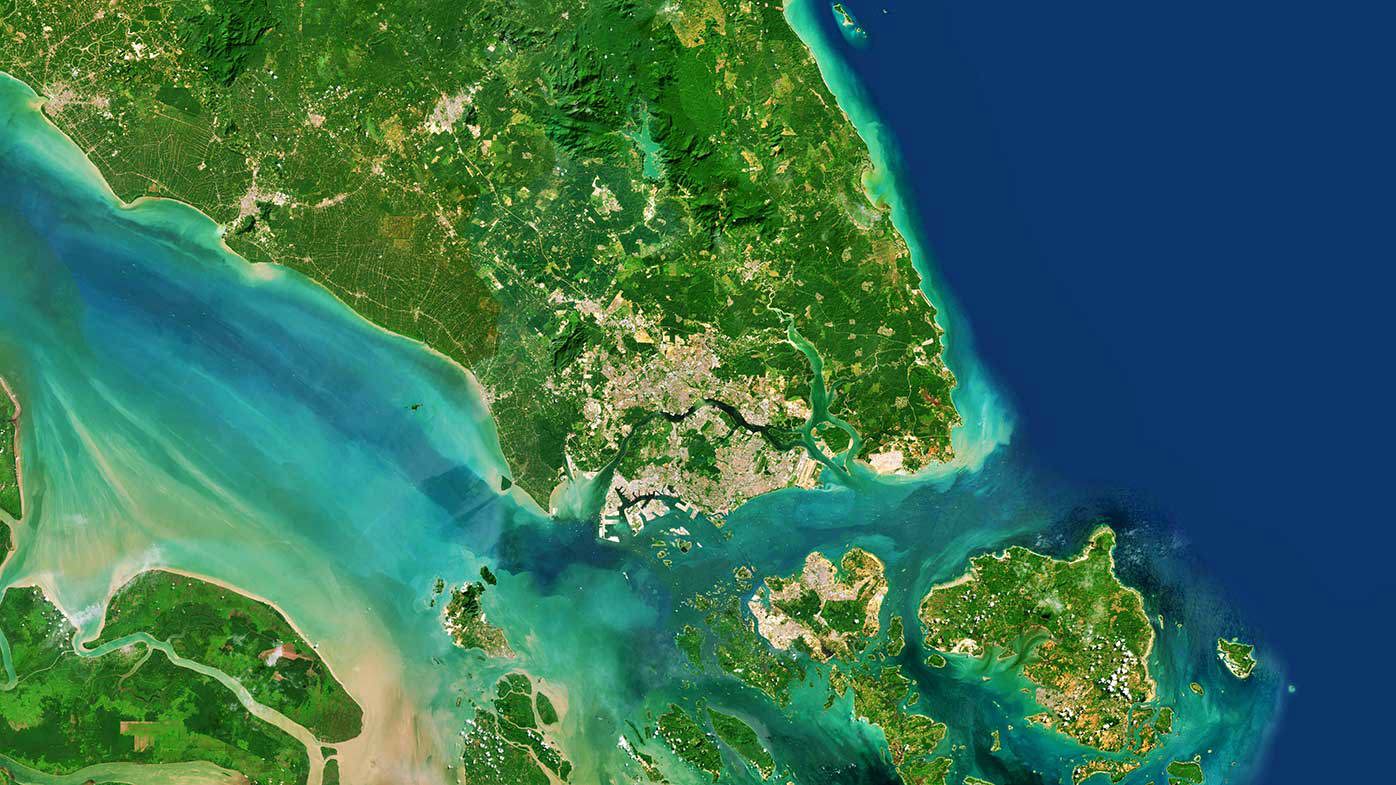
To understand why a drone strike thousands of miles away dictates the price of a gallon of milk in Ohio, you have to look at the world as a single, breathing organism. We live on a planet connected by thin, fragile veins of trade. The most vital of these is a stretch of water between Oman and Iran that, at its narrowest point, is only 21 miles wide.
Imagine a straw. Now imagine that every major economy in the world is trying to sip through that same straw at the same time. If someone pinches the straw—even slightly—the pressure builds instantly.
When JP Morgan warns of oil shocks stemming from the tensions between Israel and Iran, they aren't just talking about ships. They are talking about the "risk premium." This is a polite, financial term for fear. When traders in Manhattan or London see headlines about ballistic missiles and retaliatory strikes, they don't wait for the oil to stop flowing. They bet that it might. That bet creates a self-fulfilling prophecy, driving up the price of crude before a single tanker has even changed course.
The Life of Sarah (A Hypothetical Reality)
Consider Sarah. She lives in a suburb twenty miles outside of a mid-sized city. She drives a 2018 crossover—not because she loves the planet-warming emissions, but because it’s the only way to get her kids to school and herself to a job that doesn't offer a remote option.
At $3.20 a gallon, the commute is a nuisance. At $4.00, it’s a sacrifice—maybe the family stops ordering pizza on Fridays. But at $5.00? At $5.00, the math of Sarah’s life stops working.
The extra $80 or $100 a month sucked into her fuel tank has to come from somewhere. It comes from the "maybe" fund. Maybe we’ll fix the dishwasher. Maybe we’ll get the kids new shoes for soccer. When gas hits that psychological five-dollar wall, it doesn't just drain the tank. It drains the confidence of the American consumer.
The ripple effect is brutal. The truck that delivers the soccer shoes to the store also pays $5 for fuel. The farmer who grows the wheat for the pizza dough pays more for the diesel that runs his tractor. Suddenly, the "oil shock" isn't just about gas; it’s an invisible tax on every single thing you touch, eat, or wear.
The Logic of the Shock
Why now? Why is the floor falling out?
The math provided by the big banks suggests a "perfect storm" of exhaustion. For years, the world relied on a cushion of spare capacity. If one country stopped producing, another stepped up. But that cushion has grown thin. We are operating on a razor's edge.
- Refinery Bottlenecks: We can pull all the crude we want out of the ground, but if we can't turn it into gasoline fast enough, the price stays high.
- The Iranian Variable: Iran produces roughly 3 million barrels of oil a day. If a conflict takes that offline, or if the West moves to tighten sanctions to a stranglehold, the global market loses a massive chunk of its lifeblood.
- The Strategic Reserve: The emergency stash of oil the U.S. keeps in salt caverns is at its lowest level in decades. We’ve used our safety net.
It is a game of high-stakes musical chairs, and the music is starting to skip.
The Psychology of the Threshold
There is something haunting about the number five. Economists call it a "psychological price point." We can rationalize $4.19. We can grit our teeth at $4.75. But $5.00 feels like a structural failure of the world.
When gas was cheap, we built our lives around the assumption of infinite mobility. We built sprawling suburbs. We created "just-in-time" delivery systems that rely on trucks moving constantly. We turned the world into a giant machine that only runs on cheap energy.
Now, the machine is coughing.
In the past, every major oil shock has been followed by a cooling of the economy. People stay home. They buy less. They wait. This is the "demand destruction" that analysts whisper about in their mahogany offices. It sounds clinical. In reality, it looks like empty restaurant tables and canceled family vacations.
The Conflict in the Clouds
The tension in the Middle East isn't just a political disagreement; it is a direct threat to the energy equilibrium. If the "shadow war" between regional powers moves into the light, the shipping lanes of the Persian Gulf become a no-go zone. Insurance rates for tankers would skyrocket overnight. Some captains might refuse to sail.
We see the conflict through grainy satellite footage and frantic news tickers. We see the flashes of light over Isfahan or Tel Aviv. But the true impact is felt at the pump in the light of day. The volatility is the point. Uncertainty is a commodity, and right now, it’s the most expensive thing on the market.
It’s easy to feel powerless in the face of these tectonic shifts. How can one person’s budget stand against the geopolitical ambitions of nation-states? It can’t. We are all passengers on this particular ship, watching the horizon for smoke.
The Weight of the Nozzle
The next time you stand at the pump, watch the person at the next island over. Notice the way they look at the screen. There is a shared, silent recognition happening across the country. It’s a quiet calculation of what must be given up to keep moving forward.
We often think of history as something that happens in textbooks—treaties signed, borders drawn, wars won. But history is also written in the small, daily stresses of the ordinary citizen. It is written in the "total" line of a gas station receipt.
The warning from JP Morgan isn't just a financial forecast. It is a weather report for a storm that has already begun to darken the sky. The five-dollar mark isn't just a number; it’s a ghost that has been haunting our economy for years, and now, it finally has a shape.
You finish fueling. The pump clicks shut. You hang the nozzle back on its hook, the metallic clang echoing against the concrete. You get back into your car and turn the key. The engine hums to life, consuming the very thing that is becoming harder to afford, carrying you toward a future where the only certainty is the rising cost of the journey.