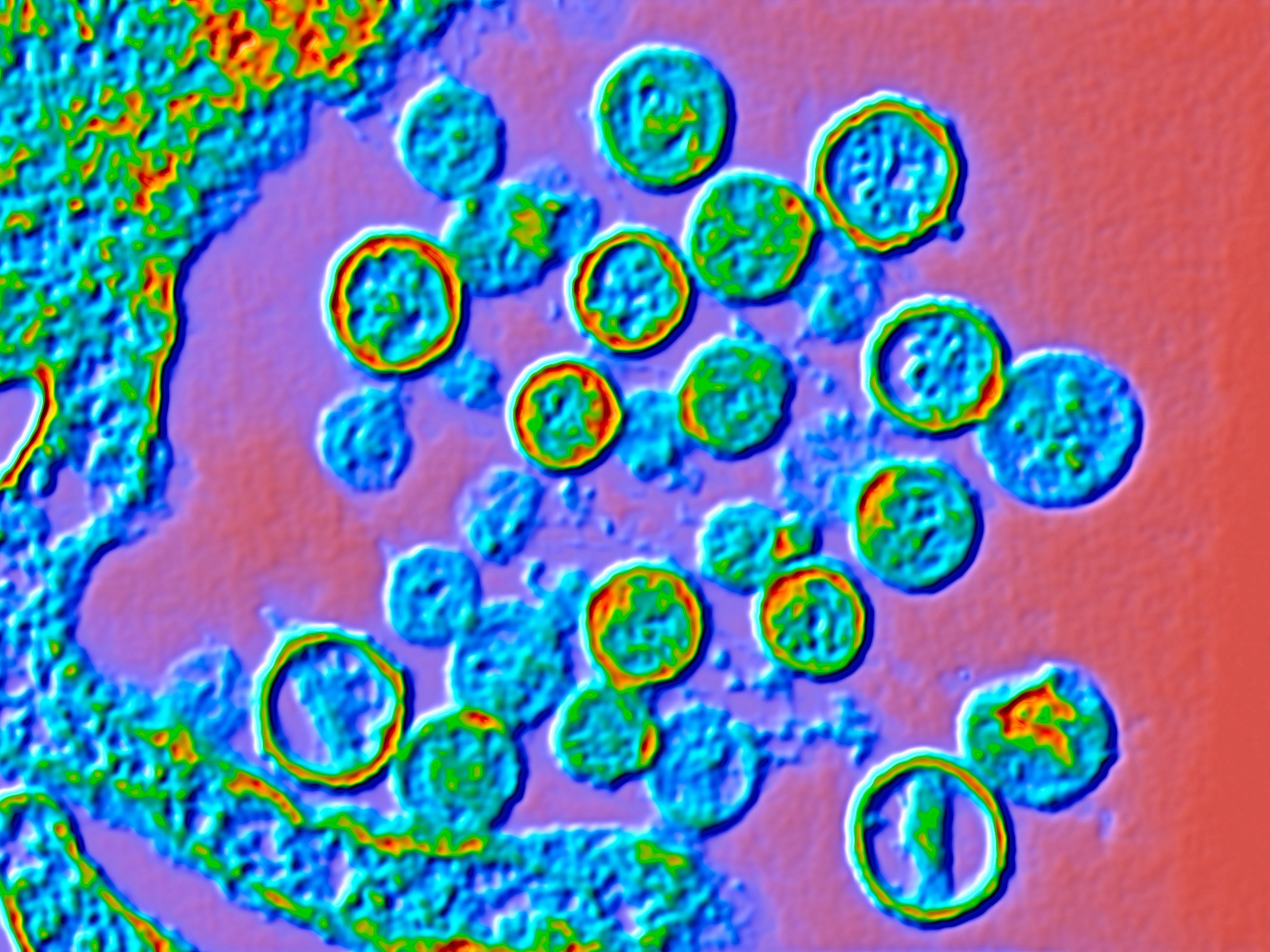
You’ve probably seen the headlines popping up again. A person tests positive for Hantavirus, and suddenly, the internet treats it like the next global pandemic. Social media goes into a frenzy. People start drawing parallels to 2020. But here’s the reality that the Chinese health authorities and global infectious disease experts have been trying to hammer home. Hantavirus isn't the new COVID-19. It’s not even in the same league when it comes to how it spreads.
When news broke about a passenger from Yunnan Province dying on a bus in Shaanxi, the panic was instant. People saw "virus" and "China" and assumed the worst. I get it. We’re all a bit scarred from recent history. But if you look at the biology, you'll see why this shouldn't keep you up at night.
Rodents are the real problem not people
The biggest thing people get wrong about Hantavirus is how you catch it. You don't get it from someone sneezing on you at the grocery store. It’s a zoonotic disease. That’s just a fancy way of saying it jumps from animals to humans. Specifically, it comes from rodents.
In China, the main culprits are striped field mice and brown rats. They carry the virus and shed it in their urine, droppings, and saliva. You get sick when you breathe in dust that’s been contaminated with these fluids. Think about cleaning out a dusty old shed or a crawl space that’s been home to a family of mice. That’s the danger zone.
Human-to-human transmission is incredibly rare. There’s been some evidence of it happening with a specific strain in South America called the Andes virus, but the strains we see in Asia don't work that way. If you’re sitting next to someone with Hantavirus, you’re almost certainly safe. The virus effectively hits a dead end once it enters a human host.
Understanding the two faces of the virus
Hantavirus isn't just one single illness. It manifests in two very different ways depending on where you are in the world. In the Americas, we deal with Hantavirus Pulmonary Syndrome (HPS). It attacks the lungs and makes it hard to breathe. It’s scary because the mortality rate is high—around 38%.
In China and most of Europe and Asia, the common form is Hemorrhagic Fever with Renal Syndrome (HFRS). This version targets the kidneys. While it’s still serious, the mortality rate is usually much lower than the American version, ranging from 1% to 15% depending on the specific strain.
The symptoms usually start like a bad case of the flu. You’ll get a fever, chills, and muscle aches. But then things get weird. People with HFRS often get "red cheeks" or a flushed face that looks like a bad sunburn. You might see tiny red spots on the skin. If it progresses, your blood pressure drops and your kidneys start to struggle. It’s a rough ride, but doctors know how to manage it. We’ve been dealing with HFRS for decades.
Why China sees these outbreaks every year
China actually has a long history with Hantavirus. It’s not "new" there at all. In fact, China accounts for a large majority of global HFRS cases. The country has worked hard to bring those numbers down through massive vaccination programs. Yes, there’s a vaccine for Hantavirus in China, something many people in the West don't realize.
The reason we still see cases is mostly down to geography and agriculture. When people work in fields or live in rural areas with high rodent populations, exposure is bound to happen. It’s a seasonal thing. Cases tend to spike in the spring and late autumn when rodent activity increases.
Health officials in Shaanxi and Yunnan weren't surprised by the recent case. To them, it was a tragic but expected occurrence. They don't see it as a sign of a looming disaster because the "outbreak" is usually contained to the person who was directly exposed to the mice.
How to actually protect yourself
Forget the masks for a second. If you want to avoid Hantavirus, you need to think about pest control. The most dangerous thing you can do is sweep up dry mouse droppings with a broom. That just kicks the virus into the air so you can inhale it.
If you find yourself cleaning an area where rodents have been, you need to be smart about it. Wet everything down first. Use a mixture of bleach and water. This kills the virus and keeps the dust on the ground. Wear gloves. If the area is really infested, wear a high-quality respirator.
- Seal the gaps. Mice can fit through a hole the size of a dime. Use steel wool or caulk to close up entry points in your home.
- Clean up the food. Don't leave pet food out overnight. Keep your trash cans sealed tight.
- Clear the perimeter. Move woodpiles and tall grass away from your house. You want to make your home as unattractive to rats as possible.
Putting the risk into perspective
It’s easy to get caught up in the "what ifs." But let’s look at the numbers. While Hantavirus is serious for the individual who catches it, the scale of the threat is tiny compared to respiratory viruses that spread through the air. You’re much more likely to deal with the seasonal flu or even a lightning strike than you are to contract Hantavirus in most parts of the world.
The Chinese CDC and the World Health Organization keep a close eye on these cases. They track the strains and monitor for any mutations that might change how the virus behaves. So far, nothing suggests the virus is evolving to spread easily between people. It’s staying in its lane—the rodent lane.
If you’re traveling or living in an area known for Hantavirus, just stay alert. Avoid "rodent-heavy" environments and practice good hygiene. Wash your hands after being outdoors or handling materials that might be contaminated. If you develop a high fever and muscle aches after being around rodents, tell your doctor immediately. Early supportive care is the best way to get through it.
Stop worrying about another lockdown because of this. The biology just doesn't support it. Hantavirus is a localized risk that requires personal caution, not a global panic. Keep your house clean, keep the mice out, and keep living your life.
If you’ve recently cleared out a garage or shed and feel sick, get to a clinic. Don't wait for the "red flush" to appear. Tell the staff exactly where you were and what you were cleaning. That bit of info can save your life.