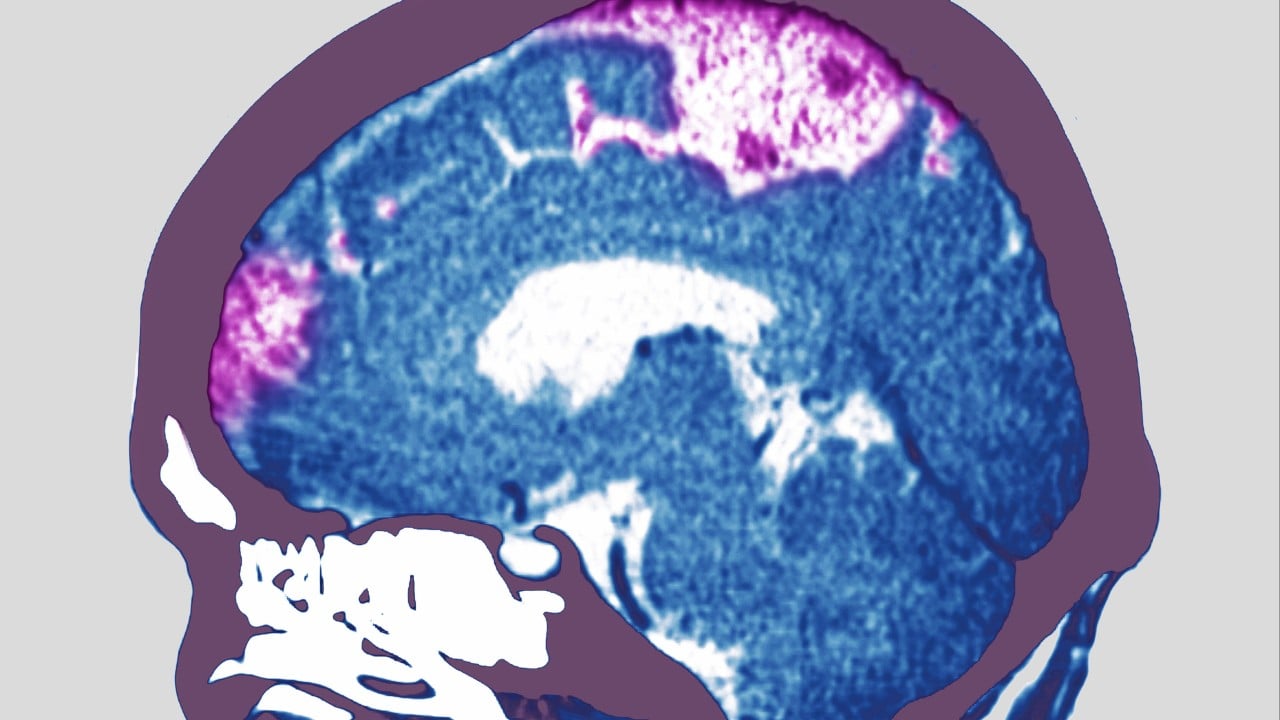
Sugar is basically the most socially acceptable drug on the planet. You find it in everything from your morning latte to that "healthy" salad dressing you bought because it had a green leaf on the label. But the moment that sweet stuff hits your tongue, you’re kicking off a chemical chain reaction that touches almost every organ you own. It isn't just about weight gain or a few cavities. It’s about how your biology handles a fuel source that your ancestors only saw a few times a year.
Your body doesn't need added sugar. It doesn't need the high-fructose corn syrup in your soda or the cane sugar in your cookies. While your brain runs on glucose, it's perfectly capable of getting that from complex carbs like vegetables and whole grains. When you dump a massive load of refined sugar into your system, you're essentially redlining your internal engine.
Your Brain on a Sugar High
The second sugar touches your tongue, it sends a signal to your brain’s reward system. This is the same pathway activated by things like nicotine or caffeine. Your brain releases dopamine, the "feel-good" neurotransmitter. This makes you want more. It's a primitive survival mechanism because, for a caveman, finding a beehive meant a rare and valuable calorie dense meal.
Today, that mechanism is broken. We have constant access to sugar. Because the dopamine hit is so reliable, your brain starts to build a tolerance. You need more sugar to feel the same level of "reward." Research from the American Journal of Clinical Nutrition has shown that high-sugar foods can stimulate the same brain regions as drugs of abuse. This leads to those 3:00 PM cravings that feel impossible to ignore. It isn't a lack of willpower. It's chemistry.
But the crash is coming. Once your insulin spikes to handle the sugar, your blood glucose drops. This leaves you foggy, irritable, and desperate for another hit. Over time, this constant up-and-down can mess with your cognitive function and even increase the risk of mood disorders.
The Insulin Rollercoaster and Your Heart
When sugar enters your bloodstream, your pancreas gets the memo and pumps out insulin. Insulin is the key that opens your cells to let the glucose in for energy. But when you’re constantly slamming sugar, your cells start to ignore the knock. This is insulin resistance.
Your pancreas tries to compensate by pumping out even more insulin. High levels of insulin in your blood cause the walls of your arteries to grow faster than normal and tense up. This adds stress to your heart and damages it over time. According to a major study published in JAMA Internal Medicine, people who got 17% to 21% of their calories from added sugar had a 38% higher risk of dying from cardiovascular disease compared to those who kept it at 8%.
It’s a silent killer. You might feel fine, but your arteries are taking a beating. This isn't just about "fat." Even thin people who eat high-sugar diets face these cardiovascular risks.
Your Liver is Taking the Brunt of the Damage
Your liver is the only organ that can process fructose, which is half of the sugar molecule (sucrose) and a huge part of high-fructose corn syrup. When you eat a piece of fruit, the fiber slows down the digestion, and your liver handles it just fine. But when you chug a sugary drink, your liver is overwhelmed.
What does it do with the excess? It turns it into fat.
Some of this fat stays in the liver, leading to Non-Alcoholic Fatty Liver Disease (NAFLD). This used to be a condition seen mostly in heavy drinkers, but now we're seeing it in children. The rest of that fat is shipped out into your blood as triglycerides and VLDL cholesterol. This contributes to the plaques that clog your arteries. If you want to protect your liver, you have to stop treating it like a waste disposal unit for liquid sugar.
The Glycation Problem and Your Skin
Ever heard of "sugar sag"? It sounds like a marketing myth, but it's a real biological process called glycation. When you have excess sugar in your blood, it hitches a ride on proteins like collagen and elastin. These are the proteins that keep your skin bouncy and youthful.
This process creates harmful new molecules called Advanced Glycation End-products (AGEs). These AGEs make your collagen brittle and dry. Instead of snapping back, your skin starts to wrinkle and sag. It’s basically internal rusting. No amount of expensive night cream can fix what a high-sugar diet is doing from the inside out.
Why Your Immune System Fails After Dessert
A big dose of sugar can temporarily "stun" your white blood cells. These are the cells responsible for fighting off bacteria and viruses. Studies have shown that after eating a lot of sugar, your immune system's ability to attack pathogens drops significantly for several hours.
If you’re constantly snacking on sweets, your immune system is essentially operating in a weakened state all day long. This is why people with high-sugar diets often find themselves catching every cold that goes around the office. You’re literally feeding the bad bacteria in your gut while handicapping the cells that are supposed to protect you.
Inflammation is the Root of the Issue
Chronic inflammation is the common thread in almost every modern disease, from Alzheimer's to arthritis. Sugar is one of the biggest drivers of this inflammation. It triggers the release of pro-inflammatory cytokines in the body.
Think of it like a low-grade fire burning in your tissues. This inflammation damages your DNA and stresses your cells. When your body is stuck in a pro-inflammatory state, it can't repair itself properly. This leads to joint pain, fatigue, and a generally "blah" feeling that most people just attribute to getting older. It isn't just age. It's the cookies.
The Hidden Sugars Hiding in Plain Sight
You probably know that a donut is full of sugar. But what about the "healthy" stuff?
- Yogurt: Some flavored yogurts have more sugar than a candy bar.
- Pasta Sauce: Manufacturers often add sugar to cut the acidity of tomatoes.
- Bread: Even whole-wheat bread often contains added sugar to improve the crust and flavor.
- Granola Bars: These are basically cookies disguised as health food.
If you want to take control, you have to become an expert at reading labels. Look for words like maltose, dextrose, evaporated cane juice, and fruit juice concentrate. They’re all just aliases for the same thing. The food industry is very good at hiding the total amount of sugar by using five different names so that none of them appear as the first ingredient.
How to Fix the Damage
You don't have to live a life devoid of all joy, but you do need to break the cycle. The good news is that your body is remarkably resilient. When you cut back on sugar, your taste buds actually change. After a couple of weeks, a strawberry will taste like a dessert and a soda will taste cloyingly sweet.
Start by cutting out liquid sugar entirely. Sodas, sweet teas, and even most fruit juices are just sugar delivery systems without the fiber to slow them down. That one change alone can drastically reduce the stress on your liver and pancreas.
Next, focus on whole foods. If it comes in a box with a long list of ingredients, it probably has added sugar. Stick to meat, vegetables, nuts, and seeds. When you do want something sweet, opt for dark chocolate with at least 70% cocoa or a piece of whole fruit.
Stop looking for "sugar-free" alternatives that use artificial sweeteners. These often keep your brain's craving for sweetness alive and can mess with your gut microbiome. Instead, train your body to appreciate the natural flavors of real food. It takes a little time for your dopamine receptors to reset, but once they do, the constant hunger and the afternoon crashes will disappear.
Check your pantry today. Throw out the obvious offenders. If a product has more than 5 grams of "Added Sugars" per serving, it’s probably doing more harm than good. Your heart, your liver, and your brain will thank you for it.