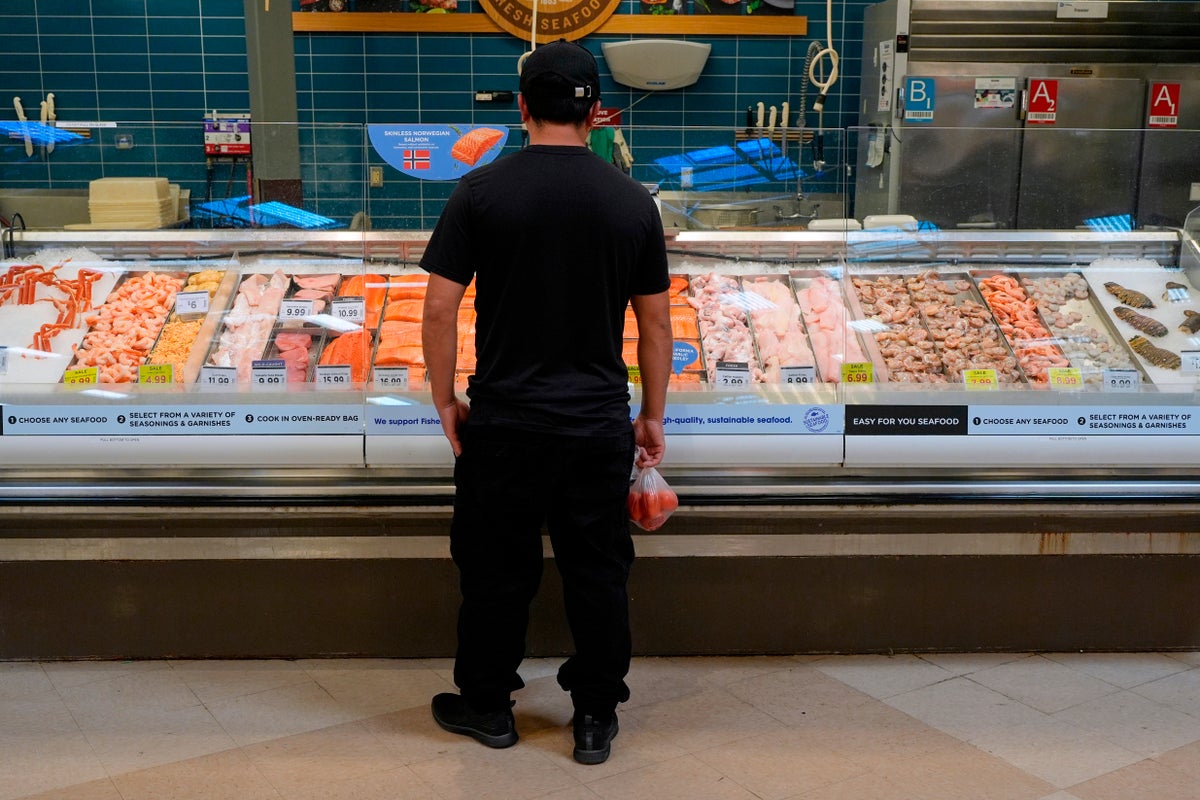
The American pantry is under siege by a quiet, multi-front economic offensive. While recent April data confirms a continued climb in grocery prices, the standard political finger-pointing at gasoline spikes ignores the structural rot within the food supply chain. High fuel costs are a convenient scapegoat, but they are merely a surface-level symptom. The real drivers are a toxic mix of extreme weather patterns, record-high labor shortages in the agricultural sector, and a consolidated processing industry that has realized price hikes can be maintained long after the initial "crisis" fades.
Americans are paying more because the very foundation of food production has become brittle. From the thinning of cattle herds in the Midwest to the skyrocketing cost of cocoa in West Africa, the volatility is no longer an anomaly; it is the new baseline.
The Fuel Fallacy
For decades, the narrative was simple. When oil prices rose, food followed. The logic was that diesel moves tractors and trucks, so the consumer pays the difference at the checkout line. But the April data reveals a disconnect. Even when energy markets saw brief moments of stabilization, the price of eggs, meat, and processed grains continued to tick upward.
The reason is simple. Transport only accounts for a fraction of the final price on a gallon of milk or a box of cereal. The massive overhead now comes from the middle of the chain. Food processors are grappling with utility bills for massive cold-storage facilities and the soaring cost of plastic and aluminum packaging. These inputs are sticky. Unlike gasoline, which can drop twenty cents in a week, the contract prices for industrial packaging and warehouse leases move in one direction: up.
The Beef Bubble and the Shrinking Herd
Protein is the most volatile sector of the American grocery cart, and beef is leading the charge. This isn't about seasonal demand for grilling. We are currently witnessing the smallest national cattle herd in over sixty years.
A prolonged multi-year drought across the Great Plains forced ranchers to sell off their breeding stock because they couldn't afford the hay to feed them. You cannot "fix" a cattle shortage overnight. It takes years to raise a heifer and bring new calves into the system. As supply remains strangled, packers—dominated by a handful of massive corporations—hold the leverage. They can pay ranchers less for the cattle while charging retailers more for the boxed beef. This margin capture is a primary reason why your steak costs 10% more while the person raising the cow is barely breaking even.
The Avian Flu Factor
Eggs and poultry have faced their own localized hyper-inflation. Highly Pathogenic Avian Influenza (HPAI) has decimated millions of birds. While the industry is quick to blame "nature," the reality of industrialized farming makes these outbreaks more frequent and more expensive. When one bird in a facility of two million tests positive, the entire flock is culled. The cost of that loss isn't absorbed by the producer; it is distributed across every carton of eggs sold in the subsequent quarter.
The Labor Vacuum at the Farm Gate
The most overlooked driver of food inflation is the human element. The agricultural sector is facing a desperate labor shortage that has shifted from a nuisance to a structural crisis. From pickers in the fields to line workers in slaughterhouses, the cost of human work has risen faster than almost any other input.
Farmers are now competing with Amazon warehouses and construction sites for the same pool of workers. To keep staff, they have had to raise wages by double-digit percentages. In a low-margin business like farming, those wages must be passed on. If a strawberry grower in California has to pay 15% more for harvest labor, the price of that plastic clamshell at a New York City grocery store climbs accordingly.
Automation is often touted as the solution, but the capital expenditure required for robotic harvesting is immense. Only the largest corporate farms can afford it, further consolidating the industry and reducing the competitive pressure that used to keep prices in check.
Climate Volatility as a Fixed Cost
We have moved past the era of "unusual" weather. The current state of grocery pricing reflects a "risk premium" that insurers and lenders are now charging the food industry.
Take orange juice as a case study. Between Hurricane Ian and citrus greening disease, Florida's production has been hollowed out. Buyers turned to Brazil, only to find that South American groves were suffering from their own climate-related yield drops. When a global staple like citrus or cocoa experiences a systemic failure, the price floor for the entire category resets. We aren't just paying for the fruit; we are paying for the increased insurance premiums of the farmer and the higher interest rates on the processor's debt.
The Cocoa Crisis Example
While not a daily staple for everyone, the recent explosion in cocoa prices serves as a warning for the entire industry. Prices tripled in a year due to crop failures in West Africa. This forced confectioners to either raise prices or engage in "shrinkflation"—reducing the size of the product while keeping the price the same. This tactic is now being applied to everything from bags of chips to jars of mayonnaise. You are paying the April price for 15% less product than you received last year.
The Retail Margin Trap
Finally, we must look at the supermarkets themselves. Retailers have spent the last two years training consumers to expect higher prices. While their own costs have risen, many major chains have managed to expand their profit margins during this inflationary period.
Large retailers use "dynamic pricing" and loyalty data to see exactly how much pain a household can take before they stop buying a specific brand. They have discovered that for "must-have" items like milk, bread, and baby formula, demand is remarkably inelastic. This gives them little incentive to pass on savings even if their wholesale costs eventually dip.
The consolidation of the grocery industry—exemplified by massive proposed mergers—means fewer options for the consumer. When three companies control the majority of the aisles, the "invisible hand" of the market stops working for the buyer and starts working for the shareholder.
The Hard Truth
The hope that grocery prices will return to 2019 levels is a fantasy. The underlying costs—labor, insurance, climate-mitigation, and debt servicing—have set a new plateau. April’s rise was not an outlier; it was a confirmation of a more expensive reality. The only way to navigate this is a shift in consumer behavior: moving away from processed goods that carry the highest "middleman" costs and returning to local, seasonal whole foods where the supply chain is shortest and the hidden fees are few.
Stop waiting for the "dip." It isn't coming.