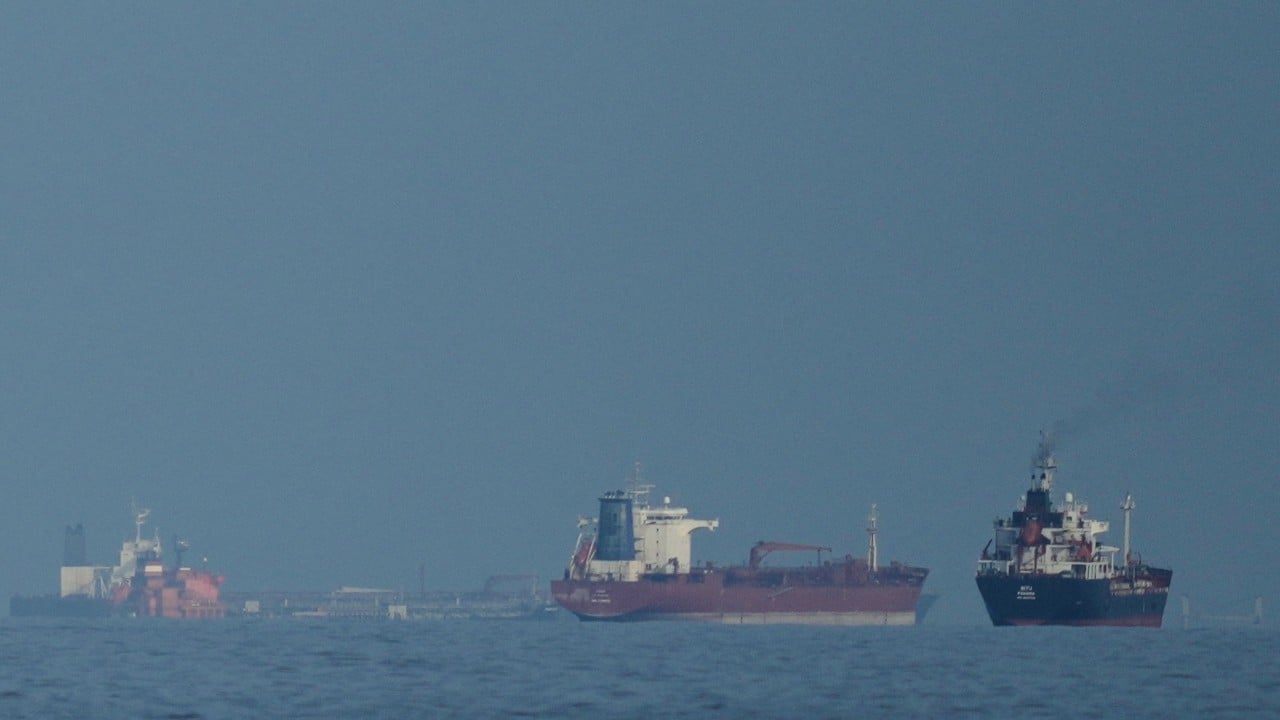
The steel hull of a supertanker is roughly two inches thick. It feels impossibly fragile when you are standing on the bridge, looking out at a narrow strip of dark blue water where the Persian Gulf squeezes into the Gulf of Oman. This is the Strait of Hormuz. At its narrowest point, the shipping lanes are only two miles wide. If you stood on the deck with a pair of decent binoculars, you could easily spot the jagged, sun-bleached cliffs of the Omani peninsula on one side and the hazy coastline of Iran on the other.
Every single day, about a fifth of the world’s petroleum consumption passes through this tiny geographical throat.
When the throat constricts, the world chokes. We don't usually think about this when we are sitting in a drive-thru or watching the digital numbers spin at a gas pump on a rainy Tuesday morning. We see a price per gallon. We grumble, we swipe a credit card, and we drive away. But that number on the screen is directly tied to the tense, silent standoff playing out in a strip of water thousands of miles away.
Right now, that tension is shifting. The tectonic plates of global diplomacy are moving, and the immediate result is a sudden, sharp drop in the price of crude oil.
To understand why a few diplomatic meetings in Washington and Tehran can instantly change the cost of heating a home in Ohio, you have to look at how the global energy market actually functions. It runs entirely on anticipation and anxiety.
The Illusion of the Pump
Picture a hypothetical independent logistics manager named Sarah. She runs a regional delivery fleet in the Midwest. She does not read maritime intelligence reports, and she does not track the daily movements of the Iranian Navy. But she does track her operating margins. For months, those margins have been bleeding. Every time a drone is spotted near a tanker or a politician hints at stricter sanctions, the oil markets panic.
When the markets panic, the price of crude spikes. Sarah feels it forty-eight hours later when her fuel suppliers adjust their rates.
The standard financial news describes this with sterile phrasing. Crude oil futures fell by three percent amid geopolitical developments. It sounds academic. It reads like a math problem. But the reality is entirely human. It is the collective sigh of relief from thousands of people like Sarah who realize they might not have to lay off a driver next month just to keep the trucks running.
The recent drop in crude prices happened because the United States and Iran began moving toward a breakthrough. For years, heavy economic sanctions have kept a massive portion of Iranian oil locked out of the global market. At the same time, the threat of conflict has made navigating the Strait of Hormuz a high-stakes gamble. Insurance rates for tankers skyrocketed. Captains gripped their clipboards a little tighter.
Now, the prospect of a deal changes the math entirely.
Consider the mechanics of an oil deal. It is not just a signed piece of paper. It is a literal valve turning on the other side of the planet. If the US eases sanctions in exchange for verified compliance on nuclear and security fronts, millions of barrels of frozen Iranian crude will suddenly flood into the global supply chain.
Economics 101 tells us that when supply rises, prices fall. But the oil market doesn't wait for the physical barrels to arrive at a refinery. It trades on the expectation of those barrels. The mere hint of a reopened, peaceful Strait of Hormuz is enough to send speculators selling off their expensive oil contracts before the market gets saturated.
The Weight of Two Miles
It is difficult to overstate how much power this specific strip of water holds over our daily lives. To grasp its scale, consider a metaphor: the global economy is a complex, sprawling factory, and the Strait of Hormuz is the main power cable plugged into the wall.
If someone steps on that cable, the lights flicker in every single room.
During periods of high friction, Iran has used its proximity to the Strait as a geopolitical lever. Naval patrols, seized vessels, and military drills have all been used to remind the West exactly who controls the gateway. When a tanker enters those two-mile-wide lanes, it is completely exposed.
The fear of a total shutdown is what keeps energy analysts awake at night. If the Strait were ever fully closed, even for a few days, there simply isn’t enough pipeline capacity in the world to reroute that much oil. The resulting shortage would cause an economic shockwave that would dwarf previous energy crises.
That is the invisible stake behind the latest headlines. The drop in oil prices isn't just about cheap fuel; it is a barometer of safety. It means the probability of a catastrophic supply disruption has just ticked downward.
But navigating this landscape—intellectually and politically—is incredibly messy. The path to a finalized agreement is littered with old grudges and deep structural distrust. One rogue incident or a sudden shift in political rhetoric can reverse days of diplomatic progress in a matter of seconds.
The market knows this. The current dip in prices is tentative. It is a breath held, waiting to see if the ink will actually hit the paper.
The Ripple Effect
When crude oil drops, the consequences cascade through the global economy in ways that aren't immediately obvious. It goes far beyond the price of gasoline.
Petroleum is the foundational ingredient for an astonishing array of everyday items. The plastic casing of your smartphone, the synthetic fibers in your clothing, the fertilizer used to grow the food on your dinner table—all of these require oil to manufacture and transport.
When energy costs remain high for too long, inflation embeds itself into the very fabric of daily life. It becomes more expensive to bake a loaf of bread because the tractor used diesel, the processing plant used electricity derived from fossil fuels, and the delivery truck required a fortune to fill up.
By pulling back the tension in the Persian Gulf, the pending diplomatic deal acts as a pressure valve for global inflation.
It is easy to get lost in the macroeconomics, to view this as a game played by billionaires and state officials in wood-paneled rooms. But the true impact is measured in small, quiet moments. It is a family deciding they can afford the road trip to see their grandparents because the budget isn't entirely consumed by the commute to work. It is a small business owner deciding to finally invest in that new piece of equipment.
The negotiations between Washington and Tehran are still delicate, and the skepticism on both sides is entirely justified. Decades of hostility cannot be wiped away by a few rounds of talks. Yet, for the first time in months, the momentum has shifted toward pragmatism rather than posturing.
The supertankers are still moving through the gray-blue waters of the Strait, their hulls low in the water, carrying the lifeblood of the modern world. For now, the men on the bridges are watching the horizons with slightly less dread, and the numbers on the digital screens at your local station are reflecting that quiet relief.


.png?width=1200&auto=webp&trim=0%2C0%2C0%2C0)