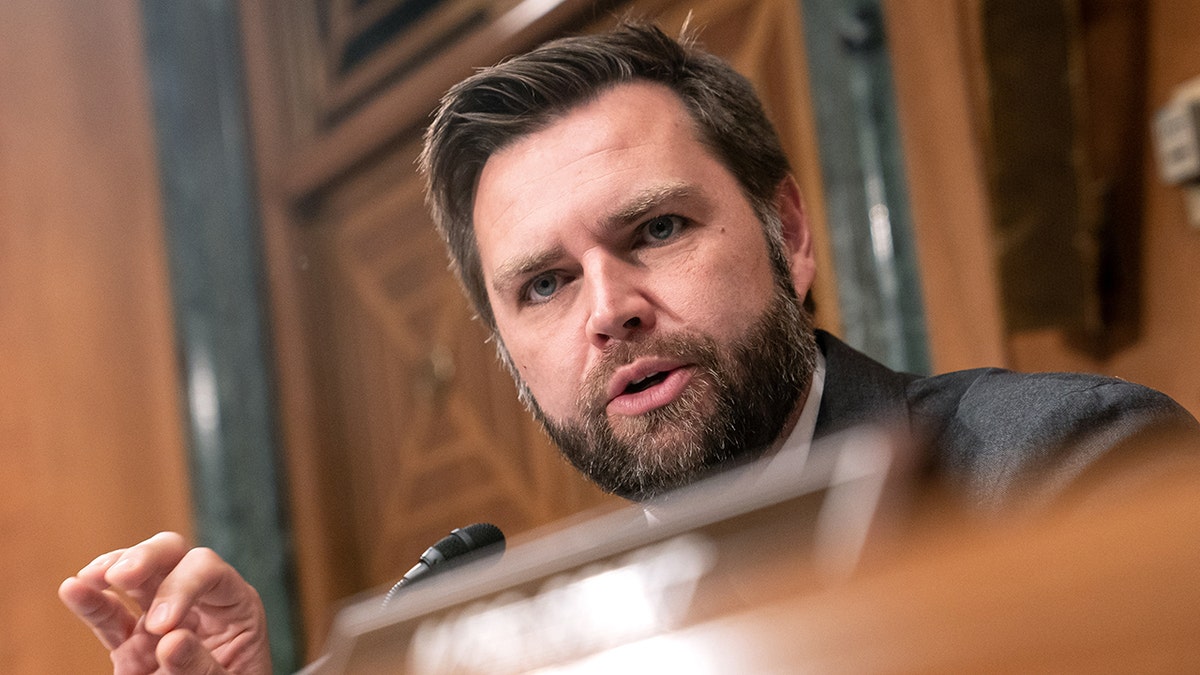
The blacked-out motorcade snaking through the sealed-off streets of Islamabad today represents more than a diplomatic Hail Mary. It is the physical manifestation of a global order teetering on a knife-edge. Vice President JD Vance has touched down in the Pakistani capital to lead a high-stakes American delegation in the first direct, face-to-face negotiations with Iranian officials since the 1979 revolution. This is not a ceremonial visit. It is a desperate attempt to formalize a fragile two-week ceasefire and prevent a regional skirmish from metastasizing into a permanent global depression.
The stakes are immediate and visceral. Since the February 28 strikes that decimated the Iranian leadership and sent global oil prices into a vertical climb, the world has been holding its breath. Vance arrives with a "modified" 15-point proposal and a clear ultimatum. Iran counters with "red lines" that demand an end to Israeli operations in Lebanon and reparations for the recent bombing campaign.
The Transactional Doctrine in the Crosshairs
Donald Trump did not send his Secretary of State to do this job. He sent the man who once vocally doubted the wisdom of this very conflict. By placing JD Vance at the head of the table, the administration is signaling a pivot from the "maximum pressure" of the previous decade to a cold, hard transactionalism. Vance, flanked by Special Envoy Steve Witkoff and Jared Kushner, is tasked with a singular mission: trade a halt in American kinetic action for the total reopening of the Strait of Hormuz.
This isn't about democratic values or human rights. It is about the 25% of the world's maritime oil trade currently bottlenecked by Iranian mines and patrol boats. The US military has already begun "clearing out" the strait, a term used by the President that suggests a willingness to use force even as the microphones are live in Islamabad. Vance’s opening salvo was predictably blunt: "If they're going to try and play us, then they're going to find that the negotiating team is not that receptive."
Pakistan’s Dangerous Game of Solitaire
The most overlooked factor in this summit isn't the American presence, but the venue itself. Islamabad’s role as the primary back-channel interlocutor is a massive strategic shift. For years, Oman or Switzerland served as the neutral ground. Now, Field Marshal Asim Munir and Prime Minister Shehbaz Sharif have positioned Pakistan as the indispensable bridge.
This carries immense risk for the host nation. By facilitating these talks, Pakistan is attempting to repair its standing with Washington while maintaining a precarious peace on its own border with Iran. For New Delhi, watching from the sidelines, the sight of a US Vice President being received by the Pakistani military chief is a bitter pill. It signals that in a time of hot war, traditional alliances are being scrapped in favor of whoever can deliver a seat at the table with the enemy.
The Deadlock of Red Lines
The technical discussions, currently divided into security and finance, are stalling on three major points that the competitor's brief accounts often glaze over:
- The Lebanon Linkage: Iran refuses to sign a permanent deal unless Israel halts strikes on Hezbollah. The US maintains these are separate theaters.
- Frozen Assets vs. Reparations: Tehran isn't just asking for their own money back anymore; they are demanding damages for the infrastructure destroyed in the March raids.
- The Nuclear Question: While the Strait of Hormuz is the immediate fire to be put out, the US delegation is demanding a "JCPOA-plus" that includes a total cessation of 60% enrichment, something the Iranian hardliners view as their only remaining leverage.
The Iranian delegation, led by Parliament Speaker Mohammad Bagher Qalibaf and Foreign Minister Abbas Araghchi, enters the room with what they term "complete distrust." They are negotiating with an administration that they believe wants their total collapse, while the US believes it is negotiating with a regime that has no other options.
The Economic Clock is Ticking
Inside the room, the atmosphere is described as clinical rather than hostile. There are no handshakes for the cameras. The experts are focused on the mechanics of "de-escalation windows." The reality is that the US economy cannot sustain $150-a-barrel oil indefinitely, and the Iranian state cannot survive another month of total blockade and internal unrest.
The Islamabad talks are less a peace summit and more a high-stakes bankruptcy hearing for the Middle East. If Vance leaves without a signature on a technical framework for the Strait, the ceasefire will likely evaporate before the motorcade reaches the airport.
There is no "path to peace" here. There is only a path to a more manageable conflict. The next 24 hours will determine if the world returns to a state of cold tension or plunges into a summer of unprecedented kinetic escalation. The hand is extended, but the fist is already cocked.



