I've watched the oil markets long enough to know when a headline is doing all the heavy lifting for a policy that has zero teeth. On Sunday, May 3, 2026, OPEC+ announced its third consecutive monthly production increase. Seven core members, led by Saudi Arabia and Russia, agreed to bump up their collective targets by 188,000 barrels per day for June. On the surface, it looks like a move to cool down a boiling market. But if you're looking at your gas receipt or the surging price of Brent crude, don't expect this to change a thing.
The reality is that we're currently in the middle of the most significant energy supply disruption since the 1970s. While Riyadh and Moscow are busy adjusting spreadsheets, the Strait of Hormuz remains a graveyard for global trade. Since the U.S.-Israel conflict with Iran erupted earlier this year, that 21-mile-wide chokepoint has been effectively closed. You can't ship oil that’s trapped behind a naval blockade, no matter what your "official quota" says.
The UAE Exit and the Illusion of Unity
One of the biggest stories nobody is talking about enough is the gaping hole at the conference table. The United Arab Emirates (UAE) officially left OPEC and the wider OPEC+ alliance on May 1. That's a massive shift. The UAE has been one of the few members with actual spare capacity and a desire to pump more to fund its own domestic diversification.
By exiting, the UAE has basically said they're tired of being held back by a quota system that doesn't reflect the modern market. The Sunday announcement of 188,000 barrels per day is actually just the May increase minus the UAE's portion. It’s a copy-paste job designed to show the world that the "Seven" (Saudi Arabia, Russia, Iraq, Kuwait, Kazakhstan, Algeria, and Oman) are still a cohesive unit.
It's optics. Pure and simple. The group wants to signal that they're still in control, even as their influence is being physically choked off by the war in the Persian Gulf.
Why the Math Doesn't Add Up
Let’s look at the numbers because they tell a story of desperation, not abundance.
- The Quota: 188,000 barrels per day.
- The Reality: Saudi Arabia's quota is set to rise to 10.29 million barrels per day in June.
- The Problem: In March, Saudi actual production was only around 7.76 million barrels.
The Kingdom is already "under-producing" by millions of barrels relative to its allowance. They aren't doing this by choice; they're doing it because they can't get the oil out of the Gulf safely. When I see an "increase" in a quota that isn't even being met, it's like a restaurant adding more items to a menu when the kitchen is on fire. It's irrelevant to the hungry customer.
The International Energy Agency (IEA) hasn't minced words, calling this the largest supply disruption in history. We've seen nearly 10 million barrels per day knocked off the global market. Prices have hovered around $125 per barrel, and analysts are already whispering about $150 if the situation in Iran doesn't de-escalate soon.
The Hormuz Deadlock
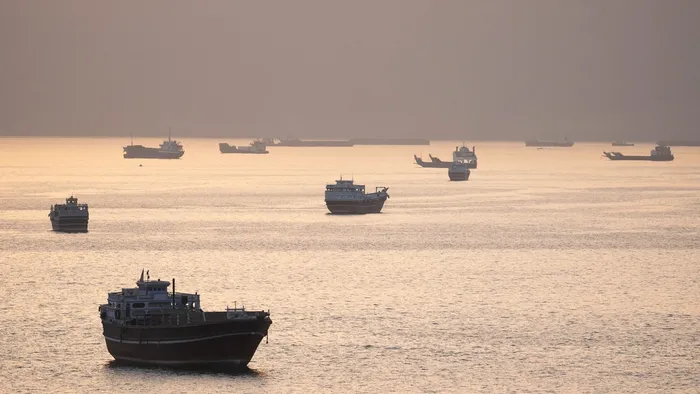
You have to understand the physical risk here. The IRGC has made it clear: no tankers are passing without a high risk of being targeted. Insurance companies have already pulled war risk coverage for the Strait. Without insurance, no sane ship owner is going to send a $100 million vessel into those waters.
Even if a ceasefire were signed tomorrow, the backlog is staggering. We have over 150 tankers sitting outside the Strait, essentially waiting in a miles-long parking lot. It would take weeks, if not months, for the flow of crude and LNG to return to anything resembling "normal."
Meanwhile, the U.S. Treasury is warning shipping firms against paying Iran for "safe passage." It’s a mess of sanctions, naval threats, and soaring freight costs. This is why the OPEC+ announcement feels so hollow. They're trying to manage a global price crisis with a toolkit that only works in peacetime.
What Happens to the Global Economy Now?
If you're a business owner or just someone trying to manage a budget, you need to prepare for a "long-tail" recovery. We aren't just looking at expensive gas; we're looking at a massive spike in the cost of everything.
- Jet Fuel Shortages: Expect airfares to stay at record highs through the summer. Most refineries in Asia and Europe that rely on Gulf crude are running on fumes.
- Fertilizer and Food: The Strait isn't just for oil; it's a hub for the global fertilizer trade. If we don't see ships moving by June, food prices in 2027 are going to be even worse than they are now.
- Inflationary Pressure: Central banks like the ECB and the Bank of England are stuck. They can't lower rates to help the economy because energy-driven inflation is still too high.
The "symbolic" increase from OPEC+ is an admission that they have no real move left. They're hoping that by showing "intent" to supply more, they can keep the markets from completely panicking. Honestly, I don't think it’s working. The market is looking at the missiles in the Gulf, not the press releases from Vienna.
How to Protect Your Interests
Don't wait for the price at the pump to drop before you act. The current volatility isn't going away because of a 188,000-barrel adjustment.
- Lock in Energy Contracts: If you're running a business, lock in your energy prices now if you haven't already. The "wait and see" approach is a gamble that the war ends tomorrow.
- Watch the UAE: Keep an eye on where Emirati oil starts flowing. Since they're no longer bound by OPEC+ quotas, they'll likely try to find creative ways to bypass the Strait or ramp up production the moment a corridor opens.
- Hedge for Inflation: If your portfolio is heavily weighted in sectors that are sensitive to transportation costs, you're at risk. Diversify into energy producers that operate outside the Persian Gulf—think Guyana, Brazil, or the Permian Basin in the U.S.
The next OPEC+ meeting is scheduled for June 7. Unless the warships leave the Strait of Hormuz by then, expect another round of meaningless numbers and empty promises.