Panic is the easiest commodity to sell on Wall Street. When the latest escalation in the Middle East blockaded the Persian Gulf and pushed the U.S. ten-year Treasury yield toward the 4.5 percent mark, headline writers found their culprit. The narrative seemed airtight. Global markets were reeling from inflation fears triggered by the standoff with Iran, and foreign investors, led by a supposedly vengeful Beijing, were dumping U.S. debt at a record pace.
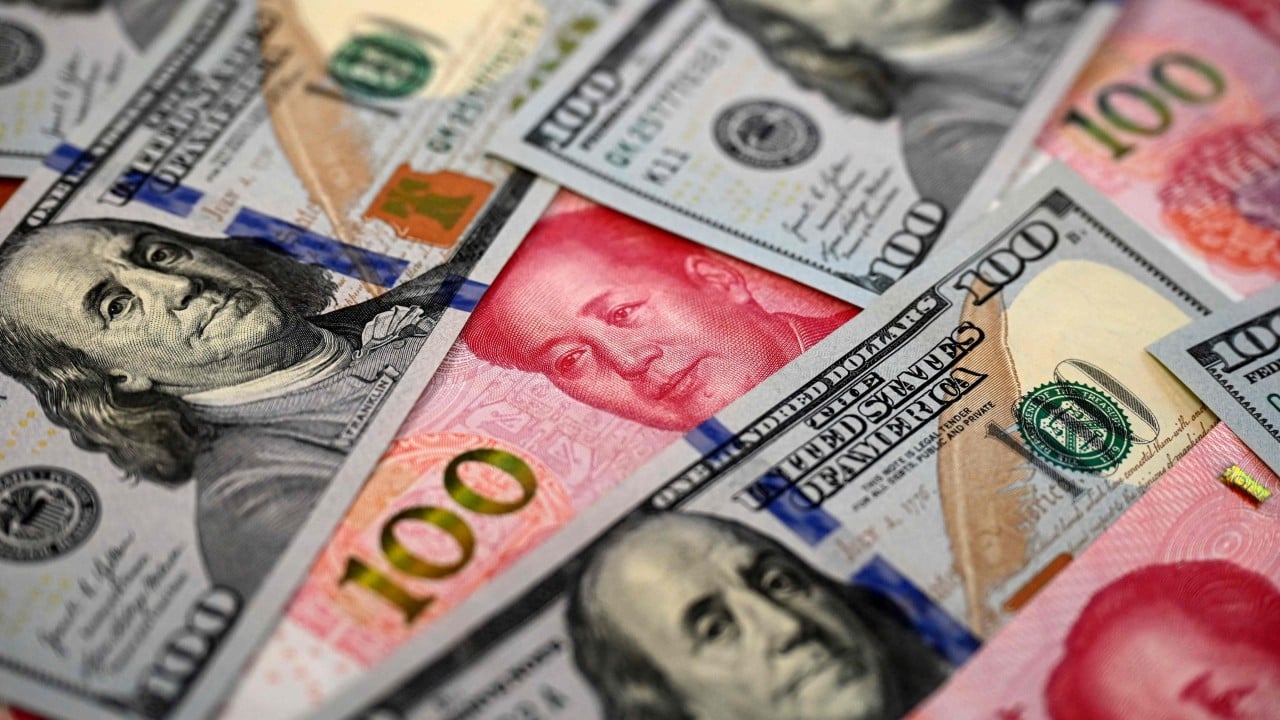
The numbers released in the latest Treasury International Capital data for March initially appeared to validate the alarmists. Total foreign holdings of U.S. Treasuries plummeted by $138.4 billion in a single month. China’s reported stash alone dropped by a headline-grabbing $41 billion, dragging its direct holdings down to $652.3 billion—the lowest level recorded since the global financial crisis of 2008. To the casual observer, this looked like a geopolitical fire sale. A superpower weaponizing its financial reserves during a global security crisis.
But the financial press missed the mark. Beijing is not engaged in a panicked liquidation of American debt to punish Washington or flee a burning market.
A cold analysis of the transaction data reveals that the massive drop in the value of China's stockpile was overwhelmingly driven by automatic market mechanics and accounting realities, not a strategic exit from the dollar. Treasury Secretary Scott Bessent and international trade desks know what the raw headlines ignore. While foreign official institutions did trim short-term paper, they actually net-purchased long-term American securities during the chaos. What looked like a geopolitical strike was actually a mixture of temporary liquidity management and massive, involuntary valuation losses caused by spiking yields.
To understand the reality of global debt flows, one must look at how bond prices move. When inflation anxieties rise—as they did in March when regional trade blockades sent export prices climbing—bond yields march upward. Because bond yields and prices move in opposite directions, the existing stockpile of long-term debt loses paper value instantly. The Bloomberg U.S. Treasury index dropped 1.7 percent in March alone. That single month of market turbulence handed foreign investors a staggering $142.1 billion paper loss on their existing long-term holdings.
China did not need to sell a single bond to see its portfolio shrink by tens of billions of dollars. The market did the shrinking for them.
Beyond the math of valuation losses, a deeper structural shift is occurring that bypasses the simple tables published by the U.S. Treasury. This is the phenomenon of dark custody. The Treasury International Capital system tracks where securities are held for safekeeping, not necessarily who owns them. If the People’s Bank of China buys a U.S. Treasury note but clears and stores that security through a financial institution in London, Brussels, or Luxembourg, the official data attributes that purchase to the United Kingdom, Belgium, or Europe, not China.
The Mirage of De-Dollarization
For a decade, analysts have warned that Beijing intends to completely break its dependence on the greenback. The weaponization of Western financial systems following the 2022 freeze on Russia’s central bank reserves certainly accelerated China’s desire to shield its wealth from potential sanctions. Yet, desiring autonomy and achieving it are two vastly different economic realities.
China remains bound to the dollar by the sheer scale of its export machine. When Chinese factories sell goods globally, they receive dollar payments. Those dollars must go somewhere. A central bank cannot fund a modern economy on gold bullion and bilateral barter agreements alone.
Consider the alternatives available to Chinese state planners. The Eurozone offers deep markets, but European authorities have proven just as willing to deploy financial sanctions as their American counterparts. The market for sovereign debt in alternative currencies is simply too small and illiquid to absorb trillions of dollars in reserves without causing massive, self-defeating distortions. If Beijing tries to move hundreds of billions of dollars into minor currencies, it drives those currencies up, destroys the competitiveness of those trading partners, and runs out of road within days.
Instead of a true exit, China is altering the optics of its holdings. For years, shifts in Belgium's Treasury holdings mirrored the inverse of China's official declines, revealing Euroclear as a primary clearinghouse for Chinese capital. Today, that strategy has evolved. Since the seizure of Russian assets highlighted the vulnerability of centralized European clearing hubs, Beijing has spread its footprint across a broader web of offshore managers in London, Paris, and private banking channels. The money is not leaving the American ledger. It is just changing its mailing address.
The Short-Term Cash Squeeze
While the bulk of the March drop reflects paper losses, there was genuine transaction activity that requires scrutiny. Foreign official accounts did reduce their holdings of short-term Treasury bills by $16.8 billion. This was not an act of geopolitical defiance. It was a standard defense mechanism against domestic currency distress.
March 2026 Treasury Data Breakdown (Billions USD)
┌─────────────────────────────────┬──────────────────┐
│ Category                        │ Net Change       │
├─────────────────────────────────┼──────────────────┤
│ Total Foreign Valuation Loss    │ -$142.1          │
│ Foreign Bill Sales (Short-Term) │ -$16.8           │
│ Foreign Long-Term Purchases     │ +$13.5           │
└─────────────────────────────────┴──────────────────┘
The blockade of energy corridors in the Middle East has disrupted international trade payments and strained emerging market currencies. When global energy costs spike, central banks require immediate, physical dollar liquidity to defend their local currencies and settle import invoices. Short-term Treasury bills function as a global cash equivalent. Selling them during a trade disruption is exactly what they are designed for. It represents the global financial system working precisely as intended, using American debt as the ultimate source of emergency global liquidity.
The Yield Trap
The irony of the current panic is that the very rise in yields that depressed the value of China's portfolio is now drawing global capital back into the U.S. Treasury market. At a 4.5 percent yield for the ten-year note, American debt becomes highly attractive to long-term institutional asset managers who care less about short-term geopolitical posturing and more about guaranteed, risk-adjusted returns.
Private foreign investors actually poured a net $111.4 billion into long-term U.S. securities during March. While political entities in Washington and Beijing trade rhetorical blows, global capital continues to vote for American debt with its feet. The yield curve acts as a self-correcting mechanism. The higher the anxiety over inflation and war, the higher the yields climb, and the more irresistible U.S. debt becomes to the global private sector.
Beijing operates under the same financial gravity. The State Administration of Foreign Exchange faces an ongoing challenge. Going underweight on the dollar means sacrificing yield in an environment where China’s domestic economy desperately needs stable, predictable returns on its state wealth. The Chinese leadership cannot afford to dump hundreds of billions in Treasuries at a massive loss just to make a political point, especially when doing so would crush the value of the remaining assets they hold.
The narrative of an intentional, aggressive Chinese sell-off of U.S. debt makes for a compelling geopolitical thriller, but it fails the test of structural market analysis. What occurred in March was the ledger-book reflection of a global inflation scare, an involuntary devaluation of fixed-income portfolios, and the routine deployment of cash reserves by central banks facing global trade friction. The umbilical cord connecting the world’s largest exporter and the world’s largest debtor remains uncut. Beijing is still buying American debt. They are just getting quieter about how they hold it.