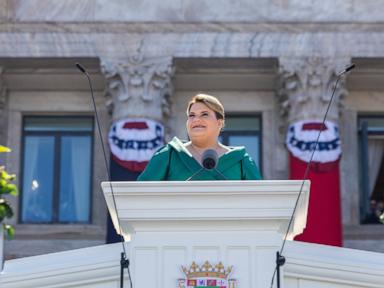
Puerto Rico Governor Jenniffer González recently declared a state of emergency to combat severe coastal erosion along the island's northern coast, rushing an executive order through just days before the Atlantic hurricane season begins. The mandate aims to accelerate engineering projects, bypass bureaucratic bottlenecks, and protect collapsing infrastructure in vulnerable towns like Loíza.
However, this executive action mirrors a nearly identical emergency decree signed three years ago that promised $105 million in sweeping interventions. The underlying crisis remains unresolved because emergency declarations do not change a fundamental geographic reality: Puerto Rico is running out of time, money, and sand, even as structural political dependencies actively undermine long-term climate resilience.
The Illusion of the Emergency Decree
An executive order looks like decisive action. It cuts red tape, frees up temporary funds, and allows structural engineers to rapidly drop heavy stone riprap onto disappearing coastlines.
The immediate reality is far less orderly. In northern municipalities like Loíza, heavy ocean swells routinely tear chunks of asphalt from coastal highways and dump them directly into the Atlantic. Families watch their properties crumble into the surf, waiting for structural interventions that rarely arrive in time.
Emergency declarations function primarily as administrative triage rather than actual policy. They authorize short-term, hard-engineering defenses like seawalls and rock revetments. These structures protect immediate infrastructure but frequently worsen erosion further down the coast by disrupting natural sediment transport.
[Ocean Waves] ---> [Seawall Installed] ---> [Wave Energy Deflected Downshore]
                                                          |
                                                          v
                                            [Accelerated Beach Loss at Next Town]
True resilience requires managed retreat and massive ecosystem restoration. These initiatives cannot be effectively executed under the ticking clock of a temporary emergency mandate.
The Hard Physics of a Disappearing Coastline
The structural deterioration of the Puerto Rican shoreline is driven by a combination of global sea level rise, intense storm surges, and historical mismanagement of natural coastal defenses.
Data from the Coastal Research and Planning Institute at the University of Puerto Rico reveals that more than 60 miles of shoreline have migrated significantly inland over recent decades. Following Hurricane Maria in 2017, nearly 40% of the island's beaches exhibited severe, unrecovered erosion.
         HISTORICAL SHORELINE
                  |
                  v
~~~~~~~~~~~~~~~~~~|~~~~~~~~~~~~~~~~~~~~~~~ (Past Sea Level)
  [Natural Dunes] | [Sandy Beach Buffer]
                  |
                  |  <-- 60+ Miles of Inland Shift
                  v
~~~~~~~~~~~~~~~~~~~~~~~~~~~~~~~~~~~~~~~~~~ (Current Sea Level)
                  | [Eroded Substrate]
                  v
           MODERN SHORELINE (Highway & Homes Crumbling)
The mechanics of this loss are straightforward but devastating.
- Coral Reef Degradation: Coral ecosystems act as offshore breakwaters, absorbing up to 97% of wave energy before it hits the sand. When reefs die due to ocean warming and pollution, raw wave energy slams directly into the coast.
- Mangrove Destruction: Decades of coastal development replaced mangrove forests with beachfront condos, hotels, and coastal highways, removing the deep root networks that bind coastal soils.
- Sediment Starvation: Rivers that once replenished coastal sand with sediment have been dammed, leaving the island's northern beaches starved of the material required to naturally rebuild after major storms.
The Bureaucratic Funding Trap
When a state of emergency is declared, political rhetoric focuses heavily on millions of dollars in federal funding.
The real impediment is not the absence of funds, but the inability to deploy them before local institutions collapse under administrative strain. Millions of dollars earmarked for disaster recovery remain bound within complex federal frameworks.
The Financial Oversight and Management Board for Puerto Rico adds an extra layer of fiscal approval to territorial spending. Consequently, a local municipality attempting to build a living shoreline or execute a voluntary relocation program must navigate a confusing network of approvals involving local agencies, federal emergency coordinators, and fiscal overseers.
Furthermore, local scientific infrastructure is systematically losing its financial support. The Coastal Research and Planning Institute, which provides the critical data mapping used to track these shoreline shifts, faces a severe operational crisis due to shifting federal funding priorities. Without continuous mapping data, the government is essentially building blind, dropping expensive rocks into the ocean based on outdated environmental assessments.
The Compounding Ecological Crisis
Coastal erosion does not happen in isolation. The physical degradation of the beaches is further complicated by massive ecological disruptions that complicate traditional engineering solutions.
The regular arrival of massive Sargassum algal blooms along the coast forces the territory to issue separate, parallel emergency responses. When tens of millions of metric tons of rotting seaweed blanket the shore, they suffocate the remaining shallow-water marine life and accelerate beach degradation.
Heavy machinery deployed to clear the seaweed frequently scrapes away tons of precious sand in the process, inadvertently accelerating the very erosion the government is trying to stop.
Why Hard Infrastructure is a Multi-Million Dollar Trap
For decades, the standard response to coastal erosion has been the construction of hard grey infrastructure. Municipalities demand seawalls, breakwaters, and concrete barriers to protect valuable real estate and tourism corridors in towns like Rincón and Ocean Park.
A comprehensive joint analysis by the U.S. Army Corps of Engineers and the Puerto Rico Department of Natural and Environmental Resources revealed that the projected initial cost for comprehensive coastal risk management just for Ocean Park and Rincón exceeds $252 million.
+------------------+-----------------------+-----------------------+
| Project Location | Projected Initial Cost| Non-Federal Cost Share|
+------------------+-----------------------+-----------------------+
| Ocean Park       | $112.5 Million        | $39.4 Million         |
| Rincón           | $139.7 Million        | $114.8 Million        |
+------------------+-----------------------+-----------------------+
Under standard federal cost-sharing agreements, the financially strained government of Puerto Rico must cover a significant portion of these costs. For the Rincón element alone, the local non-federal share is estimated at over $114 million.
Even if these funds are secured, hard structures offer a deceptive sense of security. A seawall does not save a beach; it saves the property behind the beach while guaranteeing the ultimate disappearance of the sand in front of it.
The energy of the waves is not dissipated by concrete; it is deflected downward, scouring the base of the wall and accelerating the loss of the remaining beach profile. Eventually, the wall undermines itself and collapses, requiring an even more expensive replacement.
The Vulnerability of Tourism and Real Estate
The economic calculus of Puerto Rico's coastal policy remains deeply flawed. Two-thirds of the island's 3.2 million residents live along the coast, and more than 20% of that population resides in high-risk flood zones.
The tourism sector, a primary driver of the local economy, relies almost entirely on the preservation of sandy beaches. Yet, beachfront zoning laws have historically permitted construction far too close to the high-tide line.
[Resort / Condo Construction]
      | (Built directly on historical dune systems)
      v
[Beach Erodes Naturally]
      | (No dune system left to replenish sand)
      v
[Property Threatened] ---> [Emergency Seawall Built] ---> [Public Beach Disappears]
When a luxury resort builds a unauthorized revetment to protect its pool deck, it alters the longshore drift, stripping sand away from the public beaches used by local communities. The government is caught in a cycle of defending private property at the expense of public natural resources, using emergency declarations to patch up systemic errors in urban planning.
Shifting from Emergency Response to Managed Retreat
If Puerto Rico is to survive the current climate reality, its leadership must abandon the illusion that an executive order can stabilize a shifting coastline. The island must pivot toward nature-based solutions and managed retreat.
Restoring Living Shorelines
Instead of pouring concrete, funds must be prioritized for reef restoration and mangrove propagation. Living shorelines adapt to rising sea levels, absorbing wave energy organically while trapping sediment to naturally rebuild beaches.
Demolishing Abandoned Coastal Structures
Uninhabited properties, ruined foundations, and failing seawalls that disrupt natural sand flow must be systematically removed. This creates a natural buffer zone, giving the beach space to migrate inland without threatening human life.
Executing Managed Retreat
The government must face the politically difficult reality that certain coastal communities and roads cannot be saved. Funding must be redirected away from endless infrastructure maintenance and toward the proactive relocation of vulnerable populations to higher ground.
The Atlantic hurricane season will not wait for administrative backlogs to clear. Without a permanent shift from short-term emergency triage to an aggressive, data-driven restructuring of coastal development laws, these recurring declarations will remain nothing more than empty paperwork while the sea continues its steady, inevitable advance.


