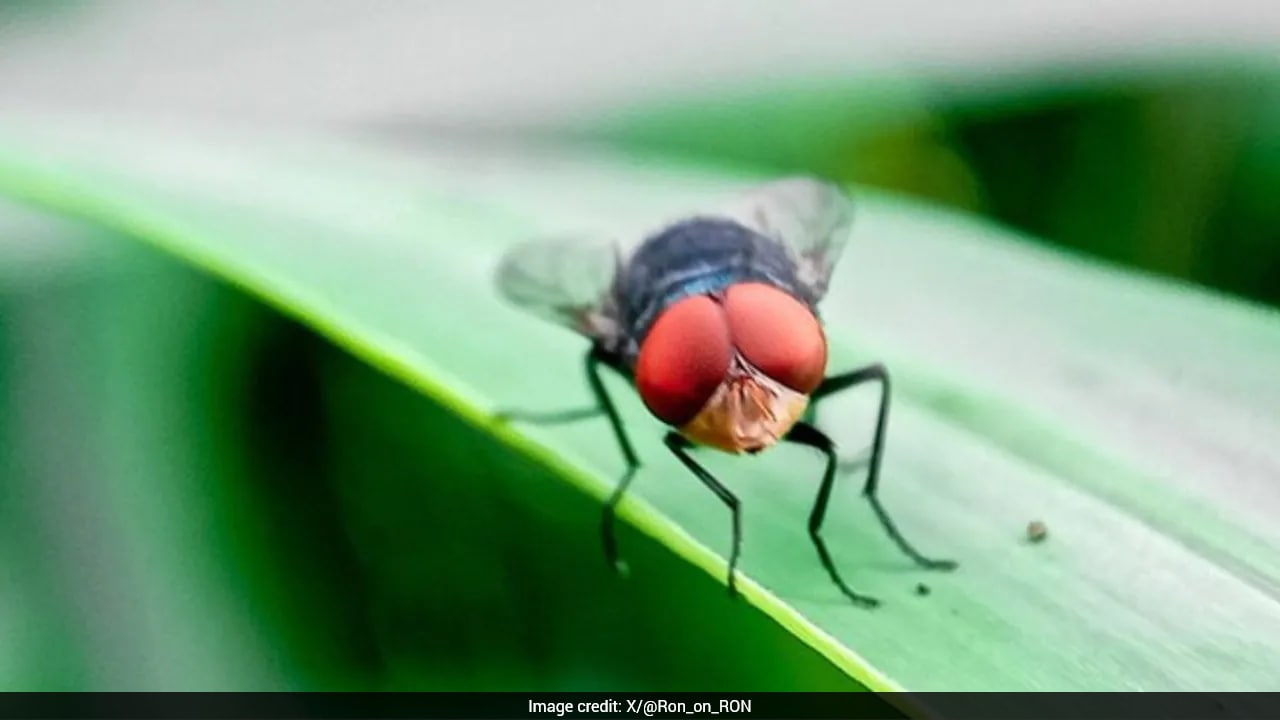
A three-week-old calf in Zavala County, Texas, just became the center of a major agricultural emergency. On June 3, 2026, the U.S. Department of Agriculture (USDA) and the Texas Animal Health Commission (TAHC) confirmed that a tissue sample taken from the animal’s umbilical area tested positive for New World screwworm (Cochliomyia hominivorax).
It is the first time the parasite has breached the U.S. mainland since its official eradication decades ago. For a closer look into similar topics, we suggest: this related article.
Let's skip the dramatic hype and look at the brutal facts. This isn't a typical nuisance fly that bothers cattle in a pasture. The New World screwworm is a parasitic nightmare. While standard blowflies lay eggs in dead tissue, screwworm flies seek out tiny, open wounds on living, warm-blooded animals. Within hours of hatching, the larvae use sharp, hook-like mouthparts to literally screw their way into live flesh, eating the animal from the inside out. Left untreated, a full-blown infestation is routinely fatal within 14 days.
The immediate economic stakes are massive. The U.S. cattle herd is currently sitting at a 75-year low due to years of severe drought and skyrocketing feed costs. Consequently, retail beef prices have climbed 13% over the past year. Dropping a highly destructive, flesh-eating parasite into a severely depleted livestock market is a worst-case scenario. When the news broke, feeder cattle futures immediately plunged by more than $5 per hundredweight across contracts. For broader details on this development, in-depth reporting can be read at USA Today.
The Breakdown of the Texas Quarantine Zone
Agriculture Secretary Brooke Rollins and Texas State Veterinarian Dr. Bud Dinges moved quickly to set up a containment perimeter. The TAHC issued an emergency Executive Director Order establishing Infested Zone 01, a 20-kilometer (12-mile) quarantine radius surrounding the detection site near La Pryor, Texas.
The quarantine rules are strict and absolute. Every single warm-blooded animal—including cattle, horses, goats, household pets, and working dogs—is legally barred from leaving the zone without explicit, prior authorization from state officials.
To move an animal out of Zavala County right now, you have to get it physically inspected and treated by a designated TAHC representative, who will then issue a formal movement permit. The goal isn't to completely paralyze local commerce, but to stop the accidental transportation of larvae. Screwworm flies don't travel massive distances on their own. They spread because humans put infested animals in the back of trailers and drive them down the interstate.
Weapons of Mass Sterilization
The primary weapon being deployed in South Texas is the sterile insect technique, a biological control method that sounds like science fiction but actually works. Screwworm eradication relies on a simple biological quirk: female screwworm flies only mate once in their entire lives.
The USDA is exploiting this by releasing millions of laboratory-sterilized male flies into the wild. When a wild female mates with a sterile male, she lays nonviable eggs that never hatch. The local population cycle collapses.
Right now, ground-release chambers are being deployed across Zavala County to supplement the 4 million sterile flies already being dropped aerially every single week along the border. But our infrastructure is stretched thin.
For decades, the entire Western Hemisphere relied on a single sterile fly production plant in Panama to maintain a biological barrier. When the pest began migrating northward through Central America and breached Mexico in late 2024, officials were caught flat-footed.
The USDA recently spent $21 million to convert a fruit-fly facility in southern Mexico to breed screwworms, and a brand-new $750 million sterile fly factory is currently being constructed in Edinburg, Texas. However, that Texas facility isn't scheduled to open until the fall of 2027. We have to fight the current infestation with the limited supply lines we have right now.
What Ranchers and Pet Owners Must Do Today
If you have animals in South Texas, you can't rely solely on government fly drops. Early detection is everything. You need to shift management practices immediately to protect your stock.
Master the Visual Signs
Screwworm infestations can be incredibly deceptive in their early stages. Look for these specific red flags:
- Abnormal Discharge: Wounds that weep a foul-smelling, bloody, or unusually clear fluid instead of scabbing over.
- Enlarged Wounds: A tiny scratch or a newborn's navel that seems to be getting wider or deeper instead of healing.
- Behavioral Shifts: Animals showing extreme discomfort, isolation, or frantic scratching and biting at a specific spot on their body.
- Visible Larvae: Look for tapered, worm-like maggots with distinct, dark breathing tubes and rows of backward-facing spines that resemble a screw. They will be buried deep within the live tissue, not crawling on the surface.
Modify Herd Management
Tighten your calving and kidding seasons to avoid having newborns on the ground during peak fly activity. Postpone elective surgical procedures like dehorning, castration, or branding unless absolutely necessary. If you must perform these operations, treat the wounds immediately with topical, vet-approved larvicides and keep the animals closely confined until completely healed.
Immediate Submissions and Treatment
If you find suspicious maggots, do not transport the animal. Keep it isolated and call the TAHC Veterinarian on Call at 1-800-550-8242 immediately. If you are dealing with affected wildlife, contact a Texas Parks and Wildlife Department biologist. State representatives will guide you on how to safely collect and submit larval samples using specific preservation protocols so they can be sent to the National Veterinary Services Laboratories in Ames, Iowa.
Clean the wounds under the direct guidance of your veterinarian using conditionally approved emergency products. Keep your animals clean, keep open wounds covered, and get your eyes on your herds every single day. Vigilance is the only thing standing between a single isolated case and a full-scale national crisis.