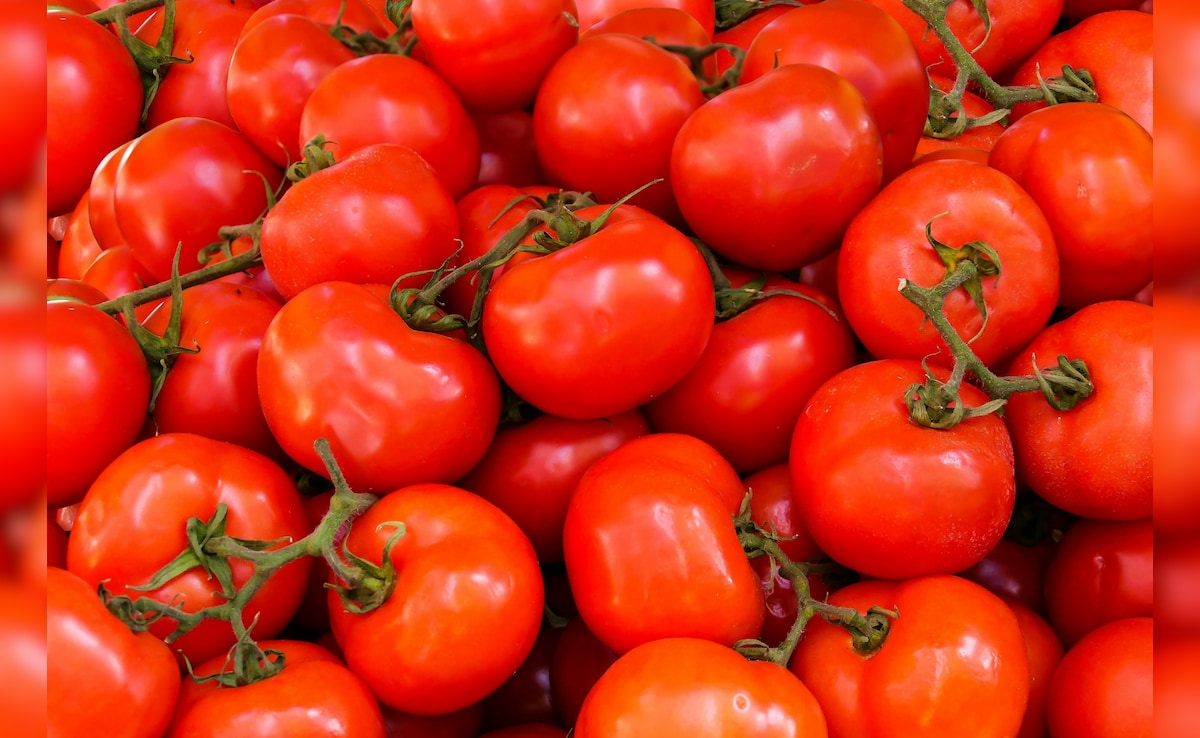
The small, red fruit sits in the palm of a hand. It feels heavy, slightly warm from the sun, smelling faintly of dirt and summer. Five years ago, nobody looked at a tomato and saw a luxury item. Today, it is a tiny, edible ledger of America’s fractured economy.
Consider Maria. She is a hypothetical composite of the dozens of middle-class parents I talk to every week, but her budget is entirely real. Maria is standing in the produce aisle of a suburban grocery store, staring at a plastic clamshell of vine-ripened tomatoes. The price tag reads $4.99 a pound. She hesitates. She remembers when they were $2.49. Her hand hovers, then retreats. She buys a bag of generic rice instead.
This is not a story about a bad harvest. It is a story about the slow, agonizing erosion of the American everyday. When the cost of living pinches, we expect it to hurt at the car dealership or when signing a mortgage. We do not expect it to break our relationship with a BLT.
But the real problem lies elsewhere, buried deep within a supply chain that has become a gauntlet of compounding expenses.
To understand why a basic salad now feels like an indulgence, we have to look at the invisible architecture behind that grocery shelf. A tomato does not simply grow; it travels. It requires nitrogen fertilizer, which spiked in price due to global geopolitical conflicts. It requires diesel fuel for the tractors that harvest it and the refrigerated trucks that sprint it across state lines. It requires wages for the workers who pick it, workers who are also trying to survive the same inflationary wave.
Every single stop on that journey extracts a toll. By the time the fruit reaches the grocery store, the price has been inflated by a dozen different micro-transactions that the consumer never sees. The grocery store chain, facing its own rising utility bills and labor costs, passes the final bill to Maria.
The numbers back up her anxiety. According to the Bureau of Labor Statistics, grocery prices have risen over 25% since 2020. That is a statistical abstract. In reality, it means families are quietly auditing their own dinner tables. They are trading fresh for frozen, frozen for canned, and canned for skipping it entirely. The tomato has become a symbol of this affordability squeeze because it is fragile, seasonal, and utterly essential to the way we eat. It is the canary in the supermarket.
Let's look at the mechanics of the squeeze through a different lens. Think of inflation not as a uniform cloud descending on the country, but as a leak in a boat. The people at the top have buckets; they can bail water fast enough to stay dry. The middle class has teacups. They are keeping up, but their arms are tired. The poorest among us are already swimming.
When a staple item doubles in price, it acts as a regressive tax. A wealthy shopper might notice the receipt is higher, but it won't change their menu. For someone living paycheck to paycheck, that extra two dollars per pound means something else has to give. Maybe it's the good brand of dish soap. Maybe it's the weekend trip to the park.
The psychological toll of this constant calculation is exhausting. It turns a routine errand into a series of stressful compromises. Shopping used to be a mundane chore; now it is an exercise in scarcity management. We walk down the aisles weighing nutrition against solvency, freshness against survival.
Why can't we just grow our own? It is a fair question, and one that many are asking. Backyard gardening has seen a massive resurgence. But even there, the squeeze follows you. The price of soil, starter plants, timber for raised beds, and water rates have all climbed. True self-reliance is a beautiful idea, but it requires capital to start, and time—the one commodity working families have the least of.
The market will eventually stabilize. Economists tell us that inflation is cooling, that the supply chains are mending, and that the worst is behind us.
But stabilization does not mean prices go back down to where they were; it just means they stop climbing so fast. The new plateau is high, rocky, and thin of oxygen. The five-dollar tomato is here to stay, a permanent monument to a decade of economic disruption.
Tonight, Maria will make dinner. There will be no fresh salsa on the tacos, no thick slices of beefsteak tomato layered with basil on the plate. Instead, there will be processed convenience, because convenience is currently cheaper than nature.
We measure the health of a nation in gross domestic product, in unemployment rates, and in stock market tickers. Maybe we are looking at the wrong metrics. Maybe we should look at the salad bowl. When a society can no longer easily afford the things that grow out of its own dirt, the rot isn't in the produce aisle. It’s in the foundation.