The World Health Organization is panicking again. Addressing the World Health Assembly in Geneva, WHO Director-General Dr. Tedros Adhanom Ghebreyesus declared that he is "deeply concerned about the scale and speed" of the new Ebola outbreak in the Democratic Republic of Congo and Uganda. He rushed out a Public Health Emergency of International Concern declaration before even convening his emergency committee. The media is dutifully recycling the terrifying headlines: over 130 suspected deaths, 500 suspected cases, and the ominous revelation that this is the Bundibugyo strain—a variant with no approved vaccine or therapeutic treatment.
This alarmism is a textbook case of public health theater. It focuses entirely on the pathogen while completely ignoring the structural reality that makes outbreaks inevitable.
The standard institutional narrative insists that we are facing a terrifying new viral threat that requires immediate global intervention, experimental vaccines, and emergency funding. But that diagnosis is completely wrong. The panic over the "scale and speed" of the Bundibugyo strain masks a much more boring, preventable, and devastating reality: the global health apparatus prefers chasing exotic viruses over building basic medical infrastructure.
The Mirage of the Unstoppable Microbe
The current outbreak is centered in the northeastern Ituri province of the DRC, an area heavily disrupted by armed conflict and massive population displacement. The institutional reflex is to treat the virus as an apex predator cutting through a helpless population.
But Ebola is not an efficient airborne pathogen like influenza or SARS-CoV-2. It is a fragile, clunky virus that requires direct contact with infected bodily fluids to transmit. In a functioning society with basic sanitation, Ebola burns out almost instantly.
When you look at the ground reality in Ituri, the "speed and scale" of the epidemic ceases to be a mystery. Local youth organizations report that workers are digging graves and burying the deceased without gloves or protective equipment. Frontline clinics lack basic soap, running water, and triage areas.
"We didn't have an appropriate place to do triage and isolate suspected cases until days after the declaration," reported one local hospital official.
This is not a failure of biotechnology or a lack of experimental vaccines. It is a failure of basic supply chains. The obsession with high-tech magic bullets like the Ervebo vaccine—which targets the Zaire strain, not the Bundibugyo strain currently circulating—diverts attention from the fact that simple public health measures have controlled almost every previous Ebola outbreak in history. You do not need a cutting-edge monoclonal antibody cocktail to stop a virus that can be neutralized by household bleach and latex gloves. You just need the bleach and the gloves.
The Hidden Failure of Emergency Declarations
By declaring a global health emergency prematurely, the WHO achieves two things: it shields itself from accusations of inaction, and it triggers a predictable wave of performative border security measures.
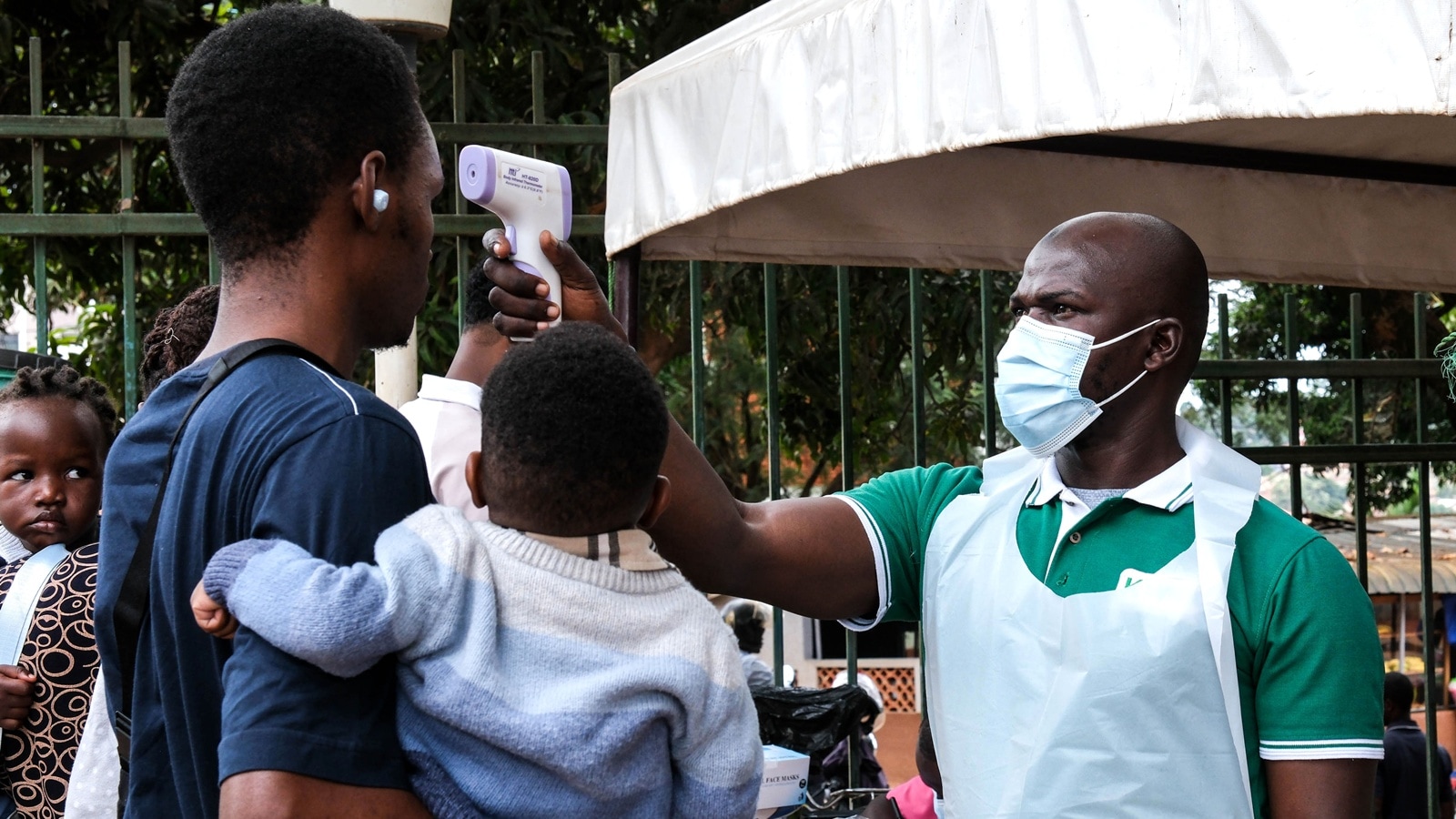
Immediately following the announcement, the United States initiated new travel screening measures at airports and temporarily suspended visa services in the region. India quickly put its airport health authorities on high alert, preparing isolation wards thousands of miles away from the epicenter.
This reaction is worse than useless; it is counterproductive. I have spent years analyzing how international border closures and aggressive travel screenings impact containment efforts during outbreaks. The results are uniform: draconian travel restrictions do not stop viruses, but they do paralyze economies and cripple the delivery of humanitarian aid.
When you shut down flight routes or choke off visa access, you make it infinitely harder for epidemiologists, logisticians, and basic supplies to reach the ground. Dr. Denis Mukwege recently had to publicly appeal to armed militias to reopen the Goma airport just so basic medical aid could land. When the international community responds with isolation rather than logistical support, it alienates local populations, drives the disease underground, and ensures that sick individuals avoid formal medical facilities entirely.
The Myth of the Untreatable Strain
The media is leaning heavily into the terrifying narrative that the Bundibugyo strain has a 30% to 50% mortality rate and "no cure." This language is designed to induce panic, but it fundamentally misrepresents modern clinical medicine.
There is no specific antiviral drug for Bundibugyo, but that does not mean it cannot be treated. The vast majority of Ebola deaths are caused by severe dehydration, electrolyte imbalances, and multi-organ failure driven by fluid loss.
Imagine a scenario where every patient presenting with suspected Ebola symptoms was immediately admitted to a facility capable of providing aggressive intravenous fluid resuscitation, continuous electrolyte monitoring, and basic broad-spectrum antibiotics to prevent secondary bacterial infections. Under those conditions, the mortality rate of even the most virulent Ebola strains plummets.
The tragedy in eastern Congo is that patients are not dying because the virus is an unstoppable killing machine. They are dying because they are receiving medieval levels of supportive care in clinics that lack clean water and basic IV lines. Calling the virus "untreatable" is a convenient excuse for international donors. It shifts the blame from a chronic failure to fund basic health systems onto the biological properties of the microbe.
Stop Funding Emergencies, Fund the Boredom
The global health funding mechanism is fundamentally broken because it operates on a cycle of panic and neglect. The WHO just approved $3.9 million in emergency funding to combat this outbreak. Millions more will likely be pledged by international donors over the next month.
This money will be spent on high-visibility, short-term interventions: chartering emergency flights, setting up temporary tents, and flying in international experts who require massive logistical footprints just to operate safely in a conflict zone. Once the outbreak subsides and the news cameras leave, the funding will dry up. The temporary tents will rot, and the local clinics will return to a state where they lack running water and gloves.
If you want to stop Ebola permanently, you have to stop funding the emergency and start funding the boring stuff.
- Establish permanent, decentralized supply depots across high-risk zones, stocked with nothing more complex than personal protective equipment, disinfectants, and IV fluids.
- Pay local healthcare workers reliable, competitive salaries so that trained personnel remain in rural clinics instead of fleeing to urban centers or international NGOs.
- Build basic roads and communication infrastructure so that local surveillance alerts do not take weeks to reach regional capitals.
The downside to this approach is that it is completely unsexy. It does not generate dramatic headlines about experimental vaccines saving humanity, and it does not allow politicians to hold press conferences announcing a breakthrough cure. It requires sustained, quiet investment in things like plumbing, logistics, and basic training.
The current panic over the scale and speed of the Ebola outbreak in the DRC is a distraction from the real crisis. The virus is doing exactly what fragile, fluid-borne pathogens always do when introduced to a conflict zone stripped of basic medical supplies. If the international community genuinely wants to end the threat of Ebola, it must stop treating every outbreak as an unexpected biological apocalypse and start treating it as a predictable consequence of systemic poverty and infrastructure neglect.
Stop looking for a medical miracle in a Swiss lab. Send the gloves, fix the wells, and turn off the sirens.