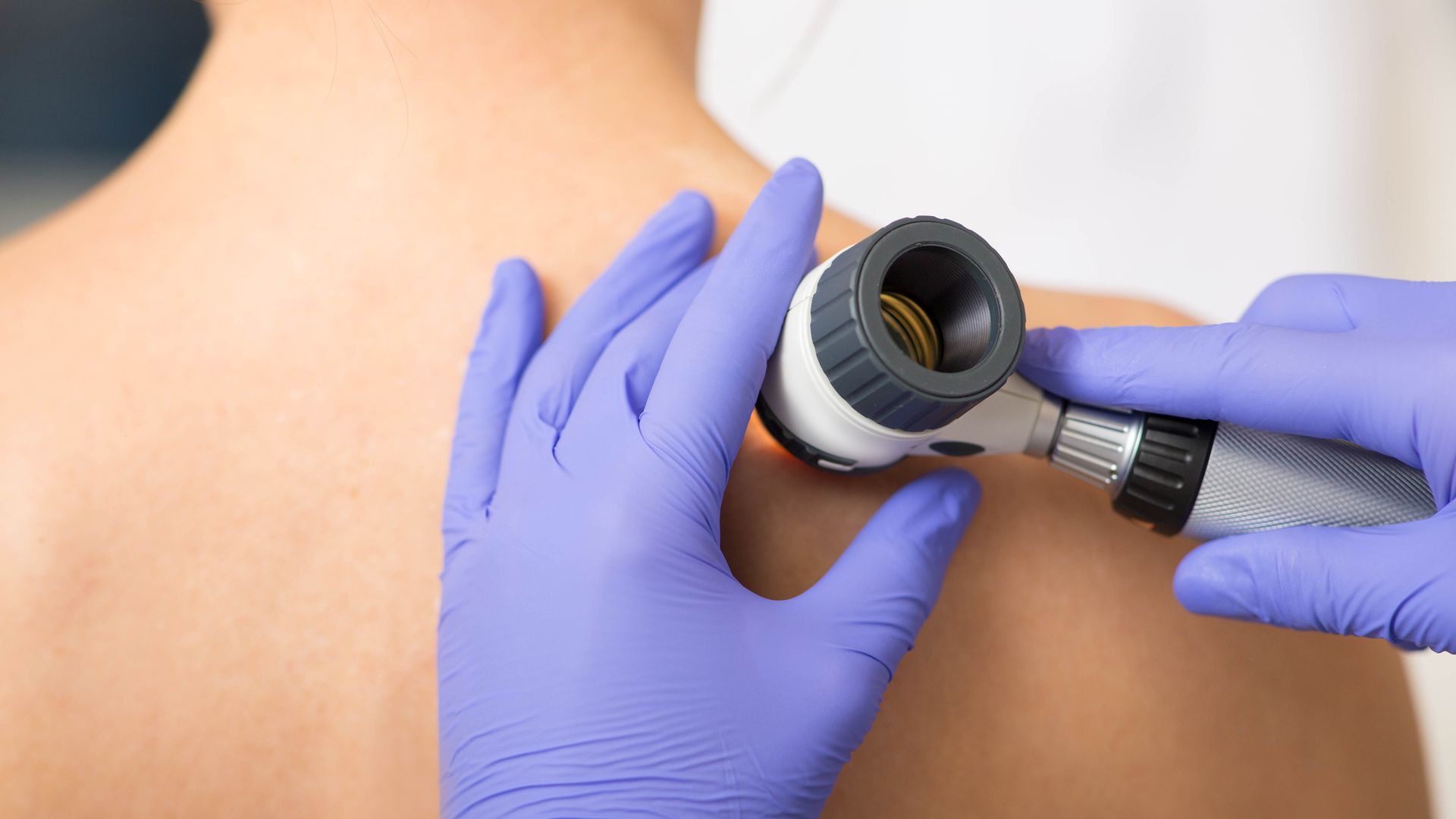
The British press is currently having a collective meltdown over the latest figures from Cancer Research UK showing melanoma diagnoses have cleared 20,000 cases for the first time on record. The headlines write themselves: a terrifying sun-drenched apocalypse fueled by cheap flights, climate change, and unmonitored sunbed usage. The standard, lazy consensus from health authorities is predictable. They tell you to hide indoors between 11 AM and 3 PM, coat your skin in thick chemical pastes, and treat the sun like an active thermonuclear threat.
It is a completely flawed premise that misinterprets the data, ignores basic human biology, and causes far more systemic health damage than it prevents.
What the breathless reporting ignores is that the absolute explosion in skin cancer numbers is not a failure of public health behavior. It is a triumph of over-diagnosis, demographic shifts, and changing medical practices. By treating a statistical anomaly as a behavior problem, we are driving an entire population into severe vitamin D deficiency and metabolic dysfunction.
The Diagnostics Illusion Behind the Numbers
To understand why the "record high" headline is misleading, you need to look at what is actually being recorded. I have spent years tracking how institutional data metrics are built, and medical registries are notoriously bad at adjusting for diagnostic inflation.
When Cancer Research UK notes that melanoma cases have risen by more than two-and-a-half times since the early 1990s, they are pointing to an increase in incidence, not an increase in mortality. If the sun were suddenly killing thousands more Britons every year, the death rates would skyrocket in a tight, parallel trajectory with diagnoses. They have not. Annual melanoma deaths remain flat, hovering around 2,700.
Why the massive gap? Over-diagnosis.
Our clinical screening mechanisms have become hyper-vigilant. Thirty years ago, a small, superficial, slow-growing lesion on an elderly person’s back went entirely unnoticed and untreated. The individual lived a full life and died of something completely unrelated. Today, that exact same spot is biopsied, classified as a stage 0 or stage 1 melanoma, surgically removed, and logged into the national database as another terrifying statistic.
The data confirms this dynamic. The highest incidence rates are not among twenty-something influencers basking on Mediterranean beaches. They are among individuals aged 85 to 89. We are looking at an aging population combined with aggressive screening protocols that flag indolent, non-aggressive tumors that would never have caused harm if left completely alone.
The High Cost of the Sunscreen Protection Racket
The knee-jerk reaction to these record-high figures is always an aggressive marketing campaign for high-SPF sunscreen. But the blind, universal application of sunscreen across a northern latitude like the United Kingdom is a profound public health mistake.
When you slather on SPF 30 or SPF 50, you are effectively blocking the UVB radiation necessary for your skin to synthesize vitamin D3. The human body requires full-spectrum sunlight to function. Vitamin D is not just a vitamin; it operates as a crucial hormone regulating immune response, bone density, and cardiovascular health.
Consider the sheer scale of the trade-off. By obsessively avoiding the sun to mitigate the risk of a highly treatable, superficial skin lesion, you are actively increasing your risk for a host of internal, far more lethal pathologies. Low vitamin D levels are heavily correlated with:
- Colorectal, breast, and prostate cancers
- Multiple sclerosis and autoimmune breakdown
- Severe clinical depression and seasonal affective disorders
- Poorer outcomes from respiratory infections
Imagine a scenario where a corporate workplace decides to eliminate all office accidents by banning employees from moving from their desks. Sure, workplace slips and falls drop to zero, but the workforce slowly develops deep vein thrombosis, muscle atrophy, and severe metabolic decline. That is exactly what the "stay out of the sun" directive is doing to the British public.
Furthermore, the average consumer uses sunscreen incorrectly, creating a false sense of security. They apply a thin layer, skip crucial areas, and then spend six hours baking under intense UV rays, thinking they are completely shielded. The chemical barrier prevents immediate erythema (sunburn), but it allows them to absorb massive cumulative doses of radiation that they would otherwise avoid because their skin would naturally signal them to seek shade.
Redefining True Sun Health
Am I saying sunburn is harmless? Absolutely not. Blistering sunburns, especially during childhood, cause real, undeniable DNA damage that elevates the risk of aggressive melanomas later in life. But the solution is not total solar abstinence. It is intentional, intelligent solar acclimation.
Human biology evolved alongside daylight. Our skin possesses a natural, built-in mechanism to handle UV radiation: the production of melanin, commonly known as a tan. A gradual, controlled buildup of sun exposure early in the spring allows the skin to develop its own natural protection.
When you spend all winter locked inside an office under artificial fluorescent lighting, your skin’s natural defenses drop to zero. If you then fly to Ibiza for a four-day weekend and blast your pale skin with intense radiation, you will burn, and you will damage your cells. The problem isn’t the sun itself. It is the modern, unnatural pattern of intermittent, extreme exposure.
Dismantling the Public Myths
Let's address the flawed premises driving the standard advice.
Does sunscreen prevent all types of skin cancer?
No. While sunscreen is highly effective at preventing the squamous cell and basal cell carcinomas linked to cumulative sun exposure, the data regarding its ability to prevent deep, aggressive, nodular melanomas is surprisingly mixed. Aggressive melanomas frequently appear on areas of the body that rarely see the sun, such as the soles of the feet, the palms of the hands, and mucous membranes.
Should people in the UK wear SPF all winter?
This is perhaps the most ridiculous advice currently circulating in beauty and health columns. For the majority of the year in the UK, the solar angle is too low to even synthesize vitamin D, let alone cause cellular damage. Wearing chemical blocks during a gray British November is an exercise in pure paranoia that achieves nothing but a lighter wallet and lower energy levels.
Moving Past the Panic
Instead of treating the sun like a carcinogen, we need a complete shift in perspective. Stop viewing a record number of diagnosed, superficial skin lesions as a sign of an impending health catastrophe. It is an artifact of better screening and an older population.
If you want to actually protect your health without destroying your endocrine system, throw out the daily lifestyle scripts written by sunscreen marketing departments. Stop hiding in the dark. Build a gradual, sensible base exposure as the seasons change, learn your skin's natural limits, and use clothing, hats, and shade as your primary defense when the heat gets intense.
The sun created life on this planet. The idea that we must chemically isolate ourselves from it just to survive a British summer is a corporate narrative we need to completely reject.