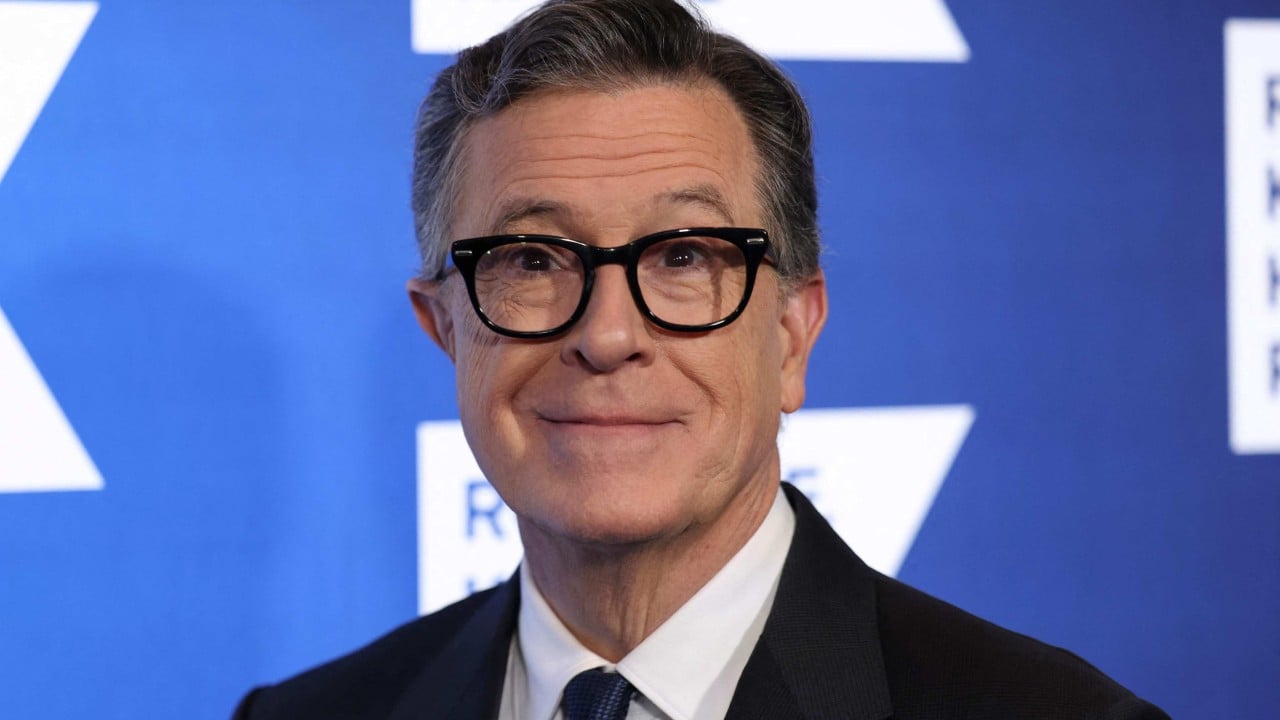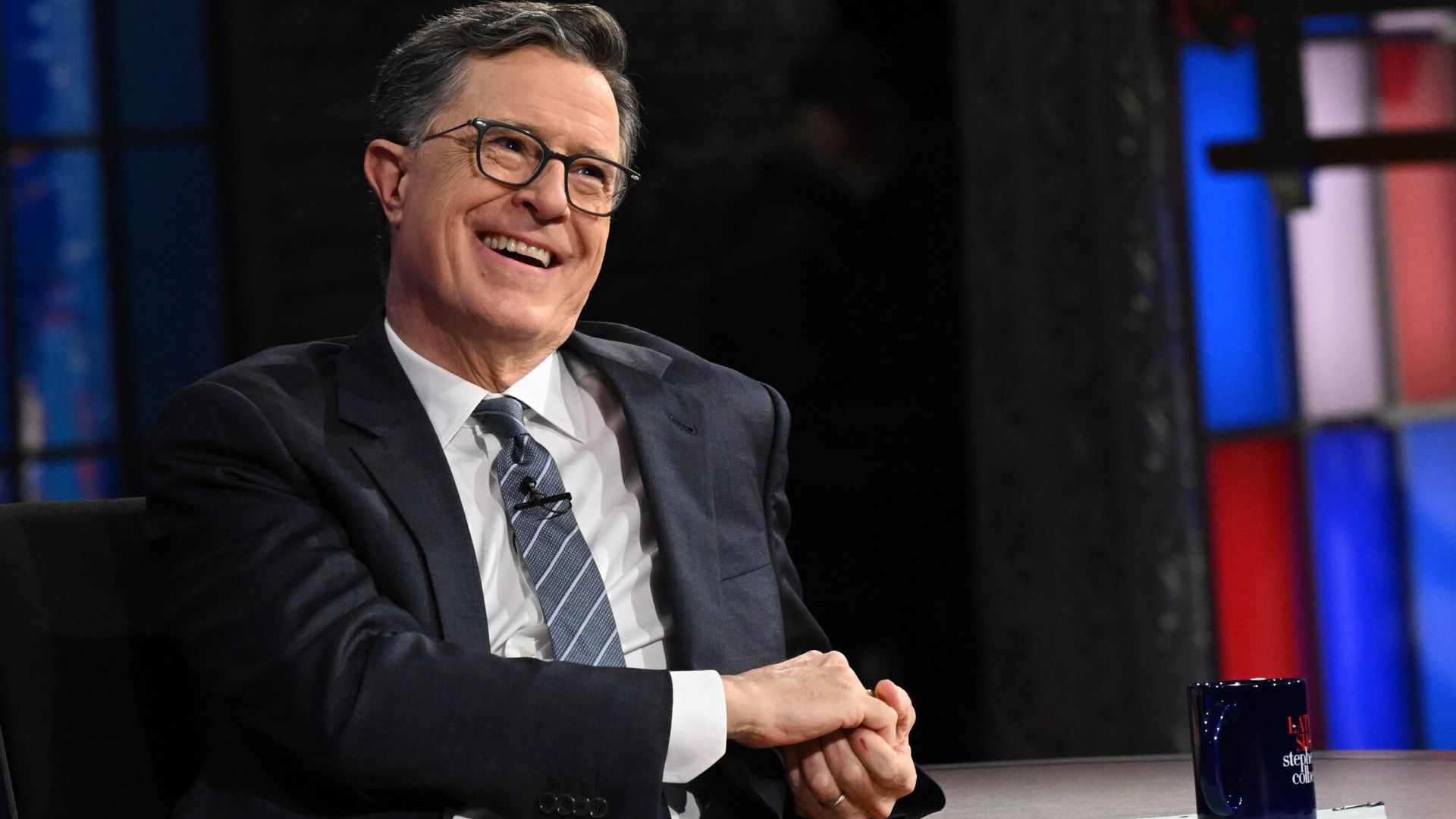
The corporate media is choking on its own narrative. If you read the mainstream autopsies of Stephen Colbert’s final broadcast of The Late Show, you will find a predictable, lazy consensus. The legacy press is desperate to paint this moment as a tragedy of political martyrdom. They want you to believe that CBS corporate suits sacrificed America’s premier satirist on the altar of a corporate merger, and that Donald Trump’s subsequent Truth Social middle finger—calling Colbert "no talent" and "like a dead person"—was the final, petty roar of a vindicated victor.
It is a comforting bedtime story for partisans on both sides. It is also entirely wrong.
The absolute truth that nobody in Hollywood or Washington wants to admit is that the eleventh-hour cancellation of The Late Show represents a mutual, catastrophic defeat. Colbert did not change the political landscape; he got trapped in it. Trump did not vanquish his nemesis; he merely outlived a format that he spent a decade rendering obsolete. What died on the stage of the Ed Sullivan Theater was not just a late-night show. It was the illusion that clapping back at power does anything to change it.
The Mutual Parasitism of Peak Satire
I have watched network television operations burn hundreds of millions of dollars trying to manufacture cultural relevance out of pure political outrage. For the last ten years, late-night television operated on a flawed premise: that the audience needed a nightly moral sanity check.
When Colbert shed his brilliant, right-wing blowhard persona from The Colbert Report to take over CBS’s flagship franchise in 2015, he abandoned a precise comedic weapon to become a mainstream cheerleader. He traded irony for righteousness. The result was a decade-long codependency.
Trump provided the material; Colbert provided the validation for an audience that couldn’t process the reality of a populist presidency. Trump needed Colbert to keep his base aggrieved by "coastal elites." Colbert needed Trump to keep his ratings buoyant.
Imagine a scenario where a parasite convinces itself it is the host. That was late-night comedy from 2016 onward. The moment you base 90% of your comedic identity on the actions of one politician, you surrender your artistic sovereignty. You are no longer driving the culture; you are chasing the news cycle with a bucket and a shovel.
The Myth of the Corporate Martyr
The crying on social media over CBS’s "financial decision" to axe the time-slot ratings leader is particularly naive. Commentators point to parent company Paramount seeking federal approval for an $8.4 billion merger with Skydance Media as proof of political censorship. They claim the network brought in conservative journalists to clean house and appease the administration.
Let us look at the actual mechanics of network television. Late-night television was already on life support long before anyone started talking about mergers. The traditional broadcast model—where millions of people sit on a couch at 11:35 PM to watch a middle-aged man in a suit read headlines—is economically dead.
The revenue model shifted from advertising spots to viral YouTube clips years ago. But when your viral clips consist entirely of preaching to an increasingly fractured choir, your long-term valuation tanks. CBS did not cancel Colbert because they feared the White House; they canceled Colbert because the overhead of running a massive, unionized studio production in midtown Manhattan no longer makes sense when a teenager on TikTok can generate ten times the engagement with zero overhead.
Colbert’s final episode relied heavily on nostalgia, bringing out Paul McCartney, Jon Stewart, and a parade of late-night hosts to sing "Hello, Goodbye." It was sentimental, safe, and utterly toothless. By refusing to mention Trump’s name, Colbert’s writers thought they were executing a sophisticated, artistic snub. In reality, they admitted defeat. They proved that without the orange foil to rail against, the show had nothing left to say.
Why Trump’s Victory Lap is an Illusion
On the other side of the ledger, Trump’s late-night social media post screaming that Colbert had "no ratings" and was "like a dead person" reveals his own strategic failure. Trump believes he won the feud because his enemy is off the airwaves. He is missing the shift entirely.
The very populist forces that Trump rode into power are the forces that dismantled the institutional power of network television. By celebrating the death of The Late Show, Trump is celebrating the destruction of the very gatekeepers that gave his provocations maximum leverage.
A politician like Trump thrives on a monolithic media environment. It is far easier to run against a unified "fake news" machine represented by a single late-night host than it is to combat a decentralized, algorithmic web of millions of independent content creators. Trump did not kill late-night; the internet did. And in the new media ecosystem, a president’s ability to command the narrative through a single late-night grievance is diminished.
The True Cost of Clapping Back
The legacy of this era of entertainment will not be that it saved democracy or even that it successfully resisted authoritarianism. The legacy is total aesthetic exhaustion.
When you look at the landscape of late-night talk shows, the error was never the politics themselves—it was the total lack of imagination. Satire is supposed to puncture consensus. For a decade, mainstream late-night did the exact opposite: it reinforced the comforting, smug consensus of its own target demographic. It turned comedy into a secular church service where the sermon never changed.
The actionable truth for anyone producing culture today is simple: stop trying to be the moral conscience of an exhausted public. The moment your art becomes an act of public therapy for a political faction, you have signed your own death warrant. You will be used for your utility, and you will be discarded the moment the financial math changes.
Colbert is moving on to write a fantasy film. Trump remains in the Oval Office. The network is pivoting to cheaper, less volatile programming. Nobody won the late-night war. The battlefield simply evaporated while the combatants were still fighting over the script.