A routine police response to a petty theft complaint isn't usually how federal human trafficking rings crumble. But that's exactly what happened at an AmericInn motel in Omaha, Nebraska. When local cops showed up to handle a minor incident, they stumbled into a sickening criminal enterprise operating right under the noses of—and actively facilitated by—the hotel's own staff.
The subsequent investigation by the Homeland Security Task Force pulled back the curtain on a horrifying reality. Hotel employees weren't just turning a blind eye to the exploitation of children. They were actively trading discounted room rates to human traffickers in exchange for access to the victims.
This isn't an isolated story of one bad actor. It highlights a massive, systemic vulnerability in the hospitality sector where cheap budget motels become the perfect storefronts for modern-day slavery.
Trading Room Discounts for Abuse
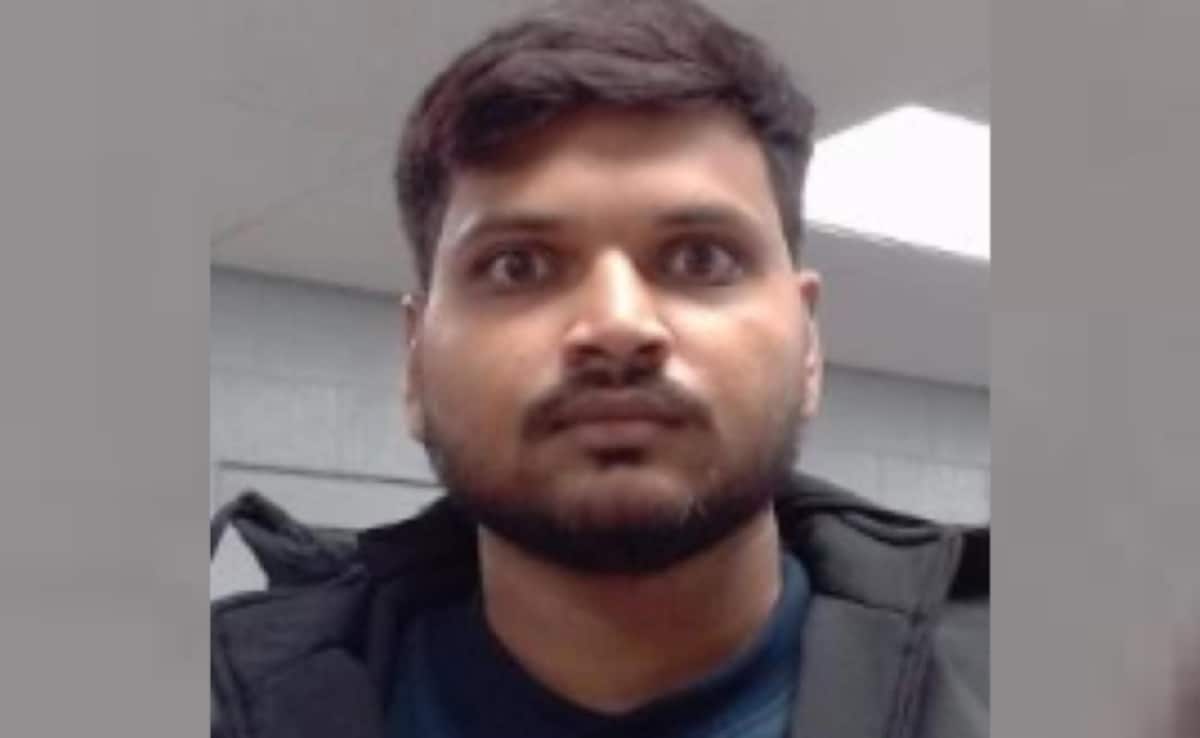
The federal court in Omaha recently handed down a 10-year prison sentence without parole to Kavankumar Patel, a 27-year-old Indian national from Gujarat who was working illegally at the AmericInn property. Patel pleaded guilty to two counts of sex trafficking of a minor. Because of his unlawful status in the United States, he faces immediate deportation proceedings the moment his decade in federal prison is up.
But the details of what Patel and his coworkers did are what should make your stomach turn.
Law enforcement rescued two American teenagers, aged 15 and 16, who had been transported across state lines from Denver to Omaha. When investigators interviewed the girls, the depth of the hotel staff’s complicity became crystal clear.
The traffickers gave the girls a strict ultimatum. They had to engage in sexual acts with the hotel workers, or they would be thrown out onto the streets.
Patel didn't just comply; he leaned into it. He admitted to investigators that he stole cash directly from the hotel's register to pay the traffickers for access to one of the underage girls. Two other hotel employees were also implicated—one paid the traffickers for sex with the same girl, while a third employee assaulted the second teenager.
In return for these "favors," the hotel staff allowed the traffickers and the minors to hole up in the rooms for days. This gave the predators a safe, uninterrupted base of operations to post commercial sex advertisements online and cycle paying clients in and out of the building.
The Hidden Cameras and the Soap Opera Review
If you think a few rogue employees acting behind the owner's back is the whole story, it gets much worse. The federal probe widened into a massive takedown targeting a broader network of Gujarati-origin hotel operators across Nebraska, leading to the execution of multiple federal search warrants.
During the raids, federal agents uncovered a highly invasive hidden camera setup inside the rooms of the AmericInn and three other regional properties.
According to employee testimony provided to federal authorities, Falguni Choudhary—the wife of the hotelier who owned the properties—casually monitored the secret live feeds. The witness stated that she watched the live footage of the trafficked minors being sexually exploited inside the rooms "as casually as one watches a soap opera."
Let that sink in. While two terrified teenagers were trapped in a room with barely any food, threatened with starvation and eviction if they didn't submit, the management was watching the horror unfold on hidden monitors for entertainment.
When the Homeland Security Task Force finally shut the operation down, they didn't just find a sex trafficking ring. They rescued 10 minors from a separate labor trafficking conspiracy where children under 12 were forced to work grueling hours at the hotels for little to no pay. They also seized $565,000 in cash, uncovered evidence of immigration fraud, and found that management was shielding local drug traffickers from law enforcement in exchange for a cut of the profits.
Why Motels Are the Perfect Shield for Traffickers
To understand how this happens, you have to look at the business model of budget hospitality. Traffickers don't look for luxury resorts; they look for places with high anonymity, low oversight, and staff members who are easily corrupted or completely checked out.
Hotels offer the perfect cover. Guests come and go at all hours. Cash payments are often accepted without rigorous identity verification. For a trafficker, a motel room is a disposable, untraceable storefront that can be ditched at a moment's notice.
The problem is that the hospitality industry has historically treated human trafficking as someone else's problem. Frontline workers like desk clerks and housekeepers see everything. They see the constant foot traffic of older men entering rooms rented by young girls. They see the lack of luggage, the signs of physical trauma, the fearful or submissive behavior, and the severe malnourishment.
But when corporate policies are just words on a poster in the breakroom, nothing changes. In recent years, civil courts have started hammering hotel chains with massive verdicts for ignoring these exact red flags. A federal jury in Georgia previously slapped a motel with a $40 million verdict for knowingly allowing a 16-year-old girl to be trafficked on their property for 40 days. Similar multi-million dollar lawsuits are piling up against major national budget brands.
The Reality of Accountability
The conviction of Kavankumar Patel and the unfolding federal case against the hotel owners prove that the legal landscape is shifting. Law enforcement isn't just going after the pimps anymore. They're going after the infrastructure that allows them to operate.
If you own, manage, or work in a hospitality business, the days of claiming ignorance are over. Turning a blind eye to suspicious activity makes you an unindicted co-conspirator in the eyes of the law, and as this Nebraska case proves, it can easily land you a decade in a federal penitentiary.
True prevention requires immediate, aggressive action at the property level.
- Mandate Real Training: Frontline staff must be trained to recognize the specific behavioral red flags of human trafficking, such as guests who have no freedom of movement, show signs of malnourishment, or have excessive foot traffic to their rooms.
- Enforce Strict Identity and Payment Rules: Eliminate anonymous cash rentals. Require valid government-issued photo identification for every adult guest checking into a room.
- Implement Safe Reporting Channels: Employees need a clear, anonymous way to report internal complicity or suspicious guest activity directly to management or law enforcement without fear of retaliation from corrupt supervisors.
- Audit Property Security: Regularly inspect rooms and common areas to ensure unauthorized surveillance equipment hasn't been installed, protecting both victim privacy and overall guest safety.
If you ever spot suspicious activity, excessive late-night foot traffic to a single room, or a young person who seems controlled or terrified, don't wait for management to handle it. Contact local law enforcement immediately or call the U.S. National Human Trafficking Hotline at 1-888-373-7888. Your call might be the only lifeline a victim has left.