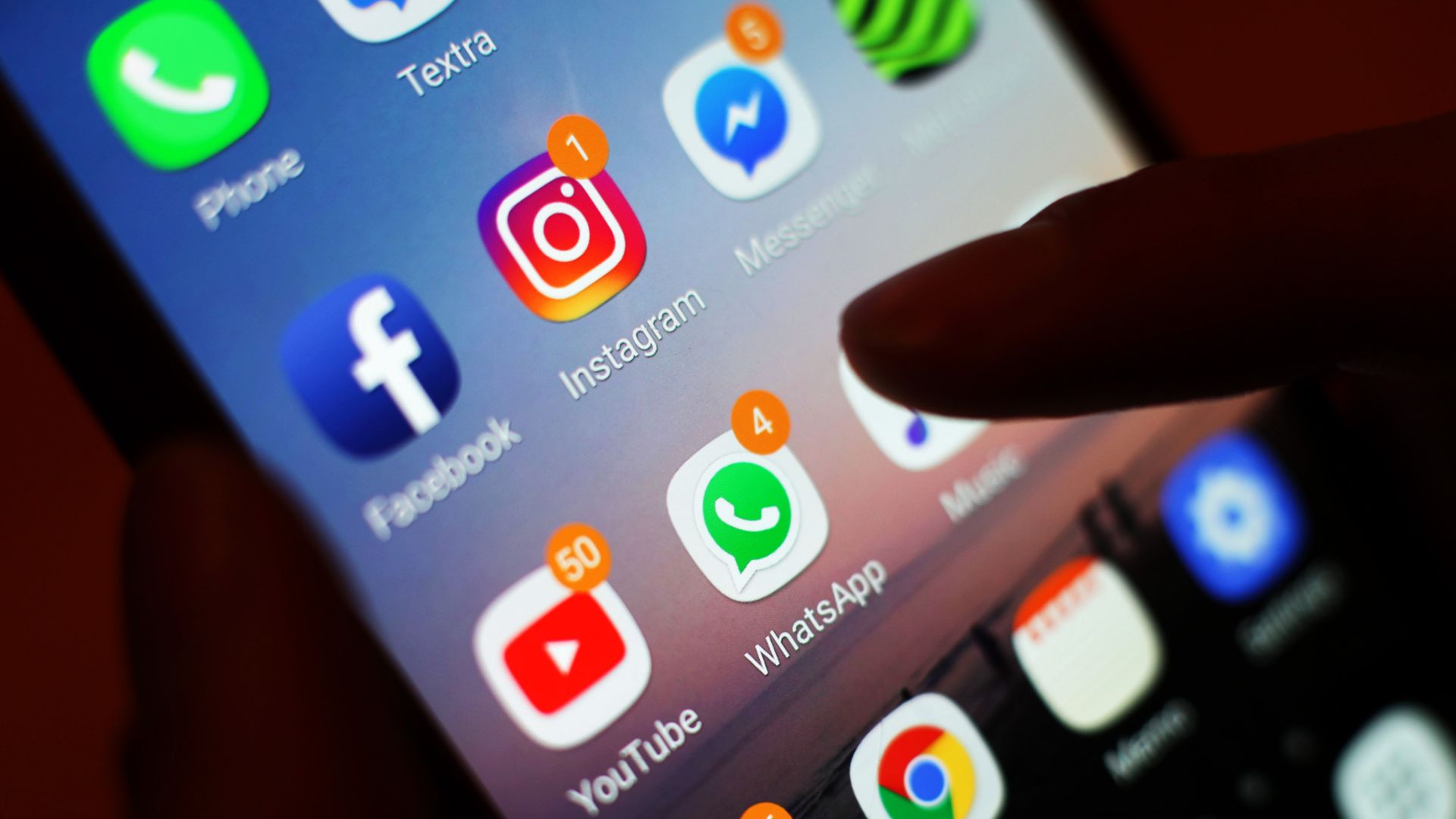
The British government wants to kick under-16s off social media. It sounds like a parent’s dream. It's also a logistical nightmare. If you've been following the headlines, the UK is moving toward a legal framework that would effectively ban younger teenagers from platforms like TikTok, Instagram, and Snapchat. This isn't just a suggestion. It's a looming hard line. The goal is to protect mental health and curb the rising tide of online bullying. But if you look closer, the plan has massive holes that could actually make kids less safe.
I’ve seen how these platforms operate from the inside. They thrive on engagement. They don't want to lose millions of young users. While the government claims this will solve the youth mental health crisis, they're ignoring the fact that kids are tech-savvy. They’ll find a way around it. They always do.
Why the UK is doubling down on age limits
The logic is simple enough. Recent data from groups like Ofcom and the Children’s Commissioner shows a staggering rise in anxiety and body image issues among UK teens. It's linked directly to infinite scrolling and algorithmic pressure. Peter Kyle, the Science and Technology Secretary, has been vocal about the "harm by design" baked into these apps. The government thinks that by removing the source of the problem, the symptoms will vanish.
They're looking at a few different models. One involves a total ban for those under 16. Another looks at a "soft ban" where parents must give explicit, verified consent through a third-party system. We’ve seen similar movements in Florida and Australia. The UK doesn't want to be left behind. They want to lead the world in online safety.
But there's a big problem. Enforcement.
How do you actually prove a 14-year-old is 14 without spying on everyone? That’s the question no one has a good answer for yet. Most suggestions involve facial age estimation or checking government IDs. Both options are a privacy minefield. You're basically asking tech giants—who already know too much—to hold even more sensitive data on our kids.
The technological wall nobody wants to talk about
Age verification is the Achilles' heel of this entire policy. Right now, most kids just lie. They click a button that says they were born in 1990 and they're in. To stop that, platforms would need to implement biometric checks. Imagine having to scan your face or upload a passport just to check a meme on Reddit.
Privacy advocates are already sounding the alarm. Groups like Big Brother Watch argue that these measures will create a "digital ID by the back door." They aren't wrong. If you force every user to verify their age to prove they aren't a child, you've effectively ended anonymity on the internet for everyone. That’s a massive price to pay for a ban that a simple VPN can bypass in three seconds.
I've talked to developers who say the tech just isn't there yet for 100% accuracy. Facial estimation can be fooled by photos or deepfakes. It also struggles with different ethnicities and lighting conditions. If the UK government mandates this, they’re forcing companies to use flawed tools.
What this ban misses about teen culture
Let’s be honest. For a 15-year-old in London or Manchester, social media isn't just a toy. It’s their entire social infrastructure. It’s where they plan football matches, talk about homework, and find community. If you cut them off, you aren't just protecting them from bullies. You’re isolating them.
We saw what happened during the lockdowns. Digital connection was a lifeline. By implementing a blanket ban, the government risks pushing kids toward "dark" social media. Think unmoderated Discord servers or encrypted messaging apps where there are zero safeguards. On TikTok, there's at least some level of public scrutiny and reporting. In a private, encrypted chat room, a child is much more vulnerable to grooming and radicalization.
The focus should be on making the apps safer, not just deleting them from phones. We need better algorithms. We need an end to "infinite scroll" for minors. We need actual human moderation instead of broken AI filters. A ban is a lazy solution to a complex problem.
The parent trap
Another angle the government is pushing is putting the power back into parents' hands. That sounds great on paper. In reality, most parents are already overwhelmed. They can't keep up with the latest apps. They don't know what "skibidi" means, let alone how to navigate the complex privacy settings of a VR chat room.
If the law mandates parental consent, it creates a divide. Kids with tech-literate, involved parents will navigate the web safely. Kids from households where parents are working three jobs or aren't tech-savvy will either be totally blocked or—more likely—will find ways to use the apps without any supervision at all. It widens the digital divide.
Lessons from other countries
The UK isn't the first to try this. France tried a "digital consent" age of 15. Australia is currently debating a similar under-16 ban. The results elsewhere have been mixed at best. In many cases, the laws are passed with a lot of fanfare, but the actual "teeth" of the regulation are missing.
Companies like Meta and ByteDance have huge legal teams. They'll fight every fine. They'll claim they're doing "everything possible" while changing almost nothing. If the UK wants this to work, the Office of Communications (Ofcom) needs the power to levy massive, multi-billion pound fines. Small penalties are just a cost of doing business for these giants.
The real path forward for online safety
Stop waiting for the government to save your kids. They won't. Even if this law passes tomorrow, it will take years to implement. You need a strategy right now.
Start by looking at the hardware level. It’s much easier to control a device than a platform. Apple and Google both have built-in parental controls that are actually quite good if you take twenty minutes to set them up. You can set time limits, block specific apps, and prevent new downloads without a notification to your phone.
Focus on education rather than just restriction. Talk to your kids about how algorithms work. Explain that the "For You" page is designed to keep them addicted, not to keep them happy. When they understand the "why" behind the app's design, they’re less likely to fall into the trap.
Immediate steps you can take
- Audit the hardware: Check the "Screen Time" (iOS) or "Digital Wellbeing" (Android) settings on your child's phone tonight. Set a hard shut-off time for 9 PM.
- Use a DNS filter: Services like NextDNS or Cloudflare for Families can block adult content at the network level. This works across every device in the house.
- Talk about the "Why": Don't just take the phone away. Explain the UK's new stance. Ask them what they think about it. You’d be surprised how many teens actually feel exhausted by social media and might welcome a reason to step back.
- Demand better from the platforms: Support organizations like 5Rights Foundation that fight for "safety by design" rather than just bans.
The UK ban is a bold move, but it’s a blunt instrument. It ignores the nuance of how teenagers actually live online. It places a massive burden on privacy and assumes that a legal hurdle will stop a generation that grew up with a smartphone in their hand. It won't. The real solution is a mix of smarter regulation for the companies and better digital literacy for the users. Don't wait for a law to change how your family uses the internet. Change it yourself.