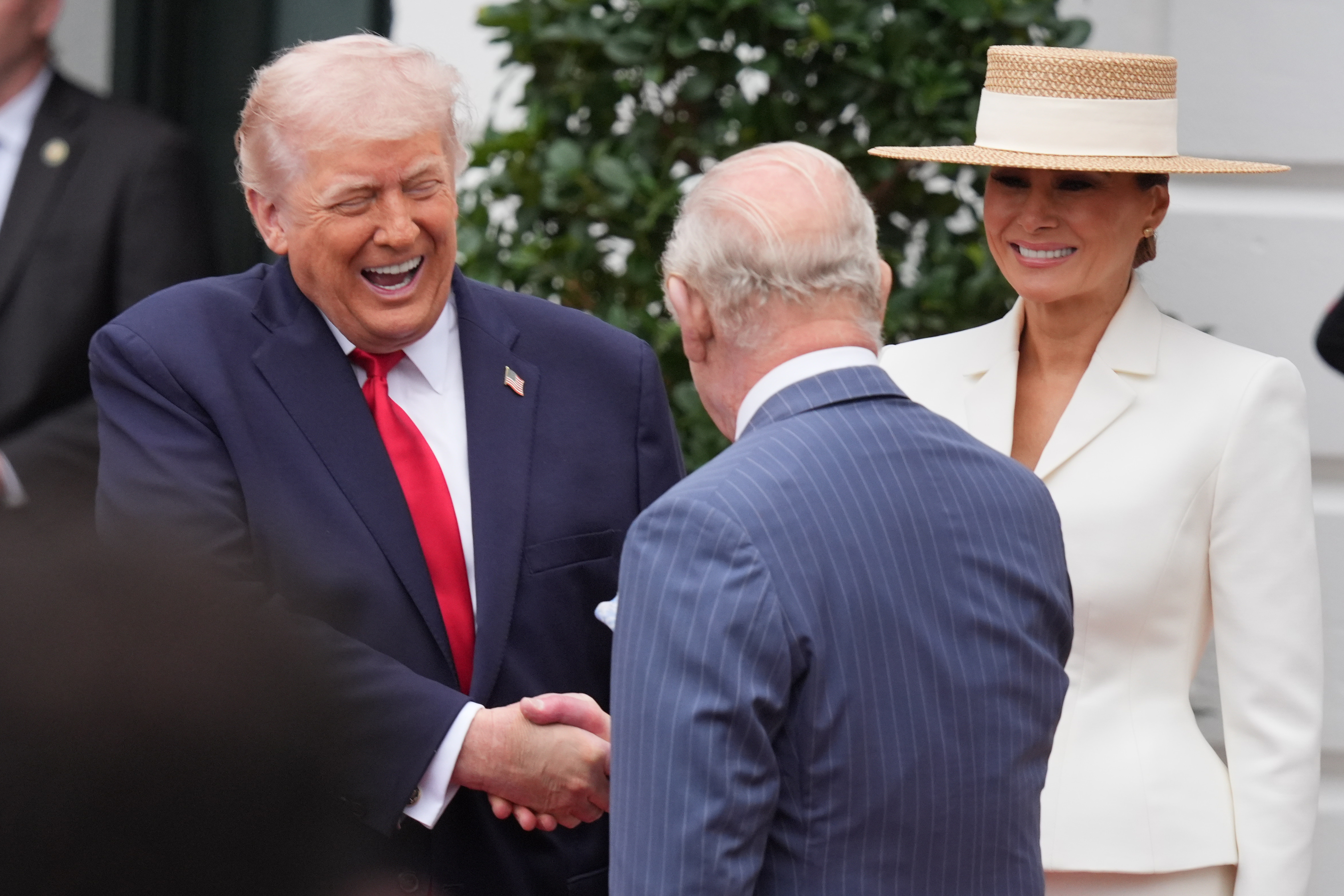
The images coming out of Jeddah today aren't just your standard diplomatic grip-and-grin. When Saudi Crown Prince Mohammed bin Salman greeted leaders from across the Gulf Cooperation Council (GCC) on Tuesday, the atmosphere was heavy with the reality of a region that's been a literal firing range for two months. This isn't a routine consultative meeting. It’s the first time these leaders have sat in the same room since the US-Israeli strikes on Iran on February 28 triggered a chaotic, multi-front war that turned the Gulf into a front line.
You have to understand the stakes. For years, the Gulf monarchies built glass-tower cities and world-class tourism hubs on the assumption that regional wars happened somewhere else. That illusion shattered when Iranian drones and missiles started hitting airports, desalination plants, and five-star hotels from Abu Dhabi to Kuwait City. The 8 April ceasefire is holding for now, but it's a fragile, paper-thin peace. The leaders in Jeddah aren't just there to talk about reconstruction; they're there because the old security model—relying on a US umbrella that didn't stop the rain—is essentially dead.
The Failure of Collective Defense
The biggest elephant in the room is the GCC's own performance. While officials will publicly tout "unified positions," the internal mood is ugly. Anwar Gargash, a senior UAE official, didn't hold back recently when he called the bloc’s political and military stance the "weakest in history." It’s a stinging indictment. If the GCC can’t act as a cohesive unit when thousands of missiles are raining down on its members, what’s the point of the alliance?
The war has exposed a massive gap between logistical cooperation and actual military teeth. Sure, the air defenses—many of them American-made—intercepted a lot of incoming fire. But they didn't stop everything. Energy infrastructure across all six member states took hits. When the Strait of Hormuz was choked off, 20% of the world’s crude and LNG stopped moving, and suddenly the region’s food security—70% of which is imported—looked terrifyingly thin.
In Jeddah, the conversation is shifting toward what "strategic autonomy" actually looks like. It’s not just about buying more Patriot missiles. It’s about whether the Gulf states can force their way into the permanent peace talks currently being mediated by Pakistan in Islamabad. Up until now, they've felt like bystanders in a war fought on their own soil.
Broken Infrastructure and Broken Trust
The damage isn't just physical, though the blackened husks of energy installations are a grim reminder of the cost. The real damage is to the brand of the "stable Gulf."
- Tourism and Aviation: Major hubs saw a near-total collapse as the conflict escalated.
- Energy Markets: This wasn't just a price spike; it was the largest supply shock in history.
- Foreign Investment: Capital doesn't like being in the flight path of ballistic missiles.
The summit is grappling with a hard truth: Iran showed it can reach any corner of the Arabian Peninsula. By targeting civilian infrastructure and US-linked firms, Tehran sent a message that the price of hosting American bases is now a permanent target on your back. This puts leaders in Kuwait, Qatar, and Bahrain in a nightmare position. They host the very assets—like the UK bases in Bahrain and Qatar—that were used to launch or support operations against Iran, yet they're the ones left picking up the pieces when the retaliation hits.
The Pivot to Islamabad
While the US and Iran trade proposals through Pakistani intermediaries, the Gulf leaders are trying to figure out how to avoid being the "sacrificial zone" in a final deal. There’s a very real fear that Washington might sign a permanent truce that secures its own interests but leaves the Gulf states vulnerable to future Iranian "gray zone" pressure.
You can see the shift in the language coming out of the summit. There’s less talk of total victory and more talk of "regional stability" and "maritime security." They want a UN mandate for a protective force in the Strait of Hormuz. They want guarantees that their infrastructure is off-limits. Basically, they're tired of being the arena for a superpower grudge match.
What Needs to Happen Next
Talk is cheap, especially in Jeddah. If this summit is going to matter, the GCC has to move beyond the "weak position" Gargash described.
First, they need to stop the internal bickering. The UAE’s public frustration with the rest of the bloc shows a rift that Iran is all too happy to exploit. A truly unified military command isn't a luxury anymore; it's a survival requirement.
Second, the Gulf states have to demand a seat at the table in Islamabad. If the future of regional security is being decided, the people living in the blast zone should be the ones help writing the treaty.
Finally, there has to be a serious plan for economic resilience. You can't run a global financial hub on a "just-in-time" food supply that goes through a single, easily blocked waterway. Diversifying trade routes and building massive strategic reserves—not just of oil, but of water and food—is the only way to ensure that the next time someone pulls the trigger, the entire region doesn't go into a tailspin.
The ceasefire might provide a breather, but the war of 2026 has already changed the Gulf forever. The leaders in Jeddah know it. Now we'll see if they actually have the guts to build something new from the wreckage.